13 May 2015

Are You Cannabinoid Deficient?

Humans may need cannabinoids to live a normal healthy life. Are you getting yours?


Cannabinoid substances don't just grow in cannabis plants. Your own body produces them. The Endogenous Cannabinoid or Endocannabinoid System (ECS) is one of the most important components of the human body. The number of physiological processes it is responsible for or involved in is truly amazing. The ECS plays an integral role in biology and appears in many surprising and unexpected places.

The ECS is perhaps the most important physiological system involved in establishing and maintaining human health. Endocannabinoids and their receptors are found throughout the body: in the brain, organs, connective tissues, glands and immune cells. In each tissue, the ECS performs different tasks, always with the same goal, homoeostasis or the maintenance of a stable internal environment despite fluctuations in one's external environment.


At every level of biological life cannabinoids promote homoeostasis, from the sub-cellular level to the organism and perhaps to the community and beyond. For example, autophagy, a process in which a cell sequesters part of itself to be self-digested and recycled, is controlled by the ECS. This process keeps normal cells alive, allowing them to maintain a balance between the synthesis, degradation and subsequent recycling of cellular products, and has a deadly effect on malignant tumour cells, causing them to consume themselves in a programmed cellular suicide.


Endocannabinoids and cannabinoids are also found at the intersection of the body's various systems, allowing communication and coordination between different cell types.


Besides regulating our internal and cellular homoeostasis, cannabinoids influence one's relationship with the external environment. Socially, the administration of cannabinoids clearly alters human behaviour, sometimes promoting sharing, humour and creativity. By mediating neurogenesis, neuronal plasticity and learning, cannabinoids may directly influence a person's open-mindedness and the ability to move beyond limiting patterns of thought and behaviour from past situations or circumstances.

Sea squirts, tiny nematodes and all other vertebrate species share the ECS as an essential part of life and adaptation to environmental changes. By comparing the genetics of cannabinoid receptors in different species, scientists estimate that the ECS evolved in primitive animals over 600 million years ago.

Cannabinoid receptors are present throughout the entire body, embedded in cell membranes, and are believed to be more numerous than any other receptor system. When cannabinoid receptors are stimulated, a variety of physiologic processes ensue.

1 Information is transmitted around the body in the form of electrical impulses that travel through nerves. As the signal reaches the end of the nerve, or axon, the resulting depolarisation stimulates the release of stored vesicles of neurotransmitters (the yellow molecules). These traverse the synapse (the gap dividing two nerves) where they bind to receptors on the post-synaptic cell.  Activation of these post-synaptic receptors then initiates a series of events.
2 One of these series of events is the release of the Endocannabinoids (the red molecules) which are synthesised and released locally and function as a retrograde transmitter.
3 The Endocannabinoids travel in the opposite direction to the initial neurotransmitters, backwards across the synaptic cleft, and bind to pre-synaptic CB1 receptors (the light blue receptors). This feedback allows pre-synaptic regulation of transmitter release whereby the binding of the Endocannabinoids will retrogradely inhibit the release of further neurotransmitters, whether the neurotransmitters are inhibitory (e.g. GABA) or excitatory (e.g. glutamate)
4 Phytocannabinoids are able to mimic the action of these Endocannabinoids. In this way, they are able to augment the effect that the Endocannabinoids have in regulating the transmission of impulses from one nerve to another.

Researchers have identified two cannabinoid receptors. CB1 is predominantly present in the nervous system, connective tissues, gonads, glands, cerebellum, basal ganglia, hippocampus and dorsal primary afferent spinal cord regions and organs. CB2 is found in white blood cells, in the tonsils and in the spleen, the immune system and its associated structures. Many tissues contain both CB1 and CB2 receptors, each linked to a different action.

In the immune system, one important function of cannabinoid receptors is the regulation of cytokine release. Stimulation of the CB1 receptor produces 'marijuana'-like effects on the psyche and circulation, while no such effect is seen when the CB2 receptor is activated. Phytocannabinoids are plant substances that stimulate cannabinoid receptors. Delta-9-Tetrahydrocannabinol, or THC, is the most psychoactive and certainly the most famous of these substances, but other cannabinoids such as Cannabidiol (CBD) and Cannabinol (CBN) are gaining the interest of researchers due to a variety of healing properties.

A healthy and functional ECS is essential for health. From embryonic implantation in the uterine wall of the mother, to nursing and growth, to responding to injuries, endocannabinoids help us survive in a quickly changing and increasingly hostile environment. Research has shown that small doses of cannabinoids from cannabis can signal the body to make more endocannabinoids and build more cannabinoid receptors. This is why many first-time cannabis users don't feel an effect, but by their second or third time using the herb they have built more cannabinoid receptors and are ready to respond. More receptors increase a person's sensitivity to cannabinoids; smaller doses have larger effects and the individual has an enhanced baseline of endocannabinoid activity.

It looks as though cannabis may contain over 100 different cannabinoids, including THC, which all work synergistically to produce better medical effects and less side effects than THC alone. While cannabis is safe and works well when smoked, many patients prefer to avoid the possibility of respiratory irritation and use a vaporiser, tincture, edible or a topical salve or cream.

After years of study of cannabis (medically and recreationally) and talking to patients, it appears that if people are not using cannabis they may be cannabinoid-deficient. Humans need cannabinoids like THC, CBD and more, to live a normal healthy life. Not going through life 'high', but more like maintaining what your body needs to function properly. It is a quality of life issue. People should not be cannabinoid deficient any more than we should have a nutrient deficiency. It is possible that medical cannabis could be the most useful remedy to treat a variety of human diseases and conditions, as a component of preventative healthcare. This has been known to indigenous civilisations of ancient India, China and Tibet.

Despite a 5,000-year history of safe therapeutic use and a huge amount of published research, most doctors still know little or nothing about medical cannabis. It is time we 'get with the program' and bring modern medicine into line. Many in the medical community are still too afraid to talk about it or do anything to change the status quo. People want change now and not only Americans are more hip to the truth and the benefits of cannabis, with legislation changing across the US and around the world.


Adapted from, Are You THC Deficient? with

12 May 2015

Cannabinoids Overview. CBG-a, The Precursor, and CBG


There are over 480 different identifiable natural chemical constituents known to exist in cannabis. The most distinctive and specific class of these compounds are the Cannabinoids and around 70 have been classified to date. The term 'cannabinoid' has different meanings. In a more narrow sense, it designates the natural cannabinoids of the cannabis plant. In the broadest sense, it includes all chemicals that bind to the cannabinoid receptors and related compounds. These natural chemicals are unique to the plant and include delta-9-Tetrahydrocannabinol (THC) and Cannabidiol (CBD). There are, however, many more, including: Cannabigerols (CBG's); other Tetrahydrocannabinols (THC's); Cannabinols (CBN's); other Cannabidiols (CBD's); Cannabichromenes (CBC's); Cannabicyclols (CBL's) and more (see below).


Cannabigerolic acid (CBG-a)

In 1975 researchers found CBG-a (the acid form of CBG) to be the first cannabinoid formed in the plant, the first expression of cannabis’ unique class of constituents. From there, CBG-a gets transformed into THC-a, CBD-a or CBC-a by the action of enzymes. Thus, CBG-a is the essential precursor for all cannabinoids.


The ability to produce Cannabigerolic acid (CBG-a) is what makes the cannabis plant unique. CBG-a is formed when geranyl pyrophosphate combines with olivetolic acid within the cannabis plant. Cannabigerolic acid (CBG-a) can be thought of as the stem cell cannabinoid, which becomes THC-a/THC, CBD-a/CBD, CBC-a/CBC, and CBG. It is the precursor to the three major branches of cannabinoids:


Cannabidiolic acid (CBD-a);

Cannabichromenic acid (CBC-a); and,

Tetrahydrocannabinolic acid (THC-a).


It is thanks to CBG-a that all the medicinal effects of cannabis are possible. It does this through different types of biosynthesis, where chemicals combine to form new compounds. The cannabis plant has natural enzymes called synthases that break the CBG-a down and mould it toward the desired branch. The plant’s synthases (CBD biosynthase, CBC biosynthase and THC biosynthase) are named after the cannabinoids they help create. It is effectively impossible to overdose on CBG as it usually exists only in trace amounts in a processed plant. This makes the already very high LD50 (lethal dose) of 22.44g/kg even less. CBG, CBD and the CBC’s all share the same molecular formula but have a different structure. 'Industrial' hemp has higher amounts of CBG due to what is described as a recessive trait, which may imply higher amounts of CBG-a are present in those strains as well.


In 2005 it was found that the enzyme controlling the conversion of CBG-a into THC-a and further, THC, is held within the trichomes of the plant. This makes sense, as the trichomes have long been known to be the home of THC. A follow-up study showed THC-a could be grown in a laboratory using a yeast culture as a host. The THC-a synthase was the first biosynthase to be studied, in 2009. It wasn’t until 2014 that any research turned back to focus on CBG-a when it was identified how and where CBG-a binding happened, then, how it was converted into THC-a.

Therapeutic and medicinal values include:

♋Analgesic (relieves pain).


♋Anti-bacterial agent (slows growth of bacteria)


♋Anti-inflammatory (reduces inflammation systemically).


♋Anti-proliferative (Inhibits the growth of tumours / cancer cells). CBG-a has been found to encourage apoptosis, also known as programmed cell death. Defective apoptosis is believed to be a major reason for the formation and progression of cancer, research shows cannabinoids appear to stimulate apoptosis in previously unknown ways, posing a novel way to mitigate and potentially cure cancer.

Cannabigerol (CBG)
Scientists first discovered this phytocannabinoid (occurring naturally in plants, as opposed to endocannabinoids which are produced in the body) in 1964.


CBG is a minor cannabinoid component in most varieties of cannabis, sometimes less than 1%. Nevertheless, narrow-leafleted strains from the Indian-subcontinent have been found to have slightly higher levels of CBG than others. Relatively high amounts of CBG can be extracted from budding plants about three-quarters of the way through flowering. CBG is not considered psychoactive and is known to block the psychoactive effects of THC.


Studies have shown its therapeutic and medicinal values include:


♋Analgesic (relieves pain) - research suggests that CBG has analgesic and anti-inflammatory properties and recommends further study.


♋Anti-bacterial agent - slows growth of bacteria and proven superior to THC, CBD and CBC against gram-positive bacteria, mycobacteria and fungi.


♋Anti-depressant - evidence suggests therapeutic potential. CBG appears to do something at the 5-HT1a receptor that is not fully understood (Agonist/Antagonist?). It modulates the effects of other cannabinoids at this brain site, which is the hub of emotions and depression regulation in the brain. Depending on the study, evidence suggests that CBG may help with depression and anxiety, or possibly block certain anti-depressant drugs. One study in rodents showed that if the right combination of CBG and CBD were present the CBG would block some anti-nausea effects of CBD, but it couldn't quite identify why (other than it related to the 5HT1a receptor).


♋Anti-emetic - anti-vomiting, however, one study showed CBG reversed CBD’s anti-emetic properties.


♋Anti-epileptic - reduces seizures and convulsions. Anecdotal evidence and some studies suggest CBG may be beneficial to patients with Dravet and other seizure conditions. A 2014 study suggests that CBG may help with seizure management, but the mechanisms aren’t fully understood.

♋Anti-glaucoma - relieves pressure behind the eyes. A 2009 study on glaucoma concluded that both THC and CBG reduce intra-ocular pressure and increase aqueous outflow.

♋Anti-inflammatory - reduces inflammation systemically. Research suggests that CBG has anti-inflammatory and analgesic properties and recommends further study. A 2013 Italian study suggested CBG has strong anti-inflammatory properties and may benefit patients with Inflammatory Bowel Disease (IBD). Much like CBD, CBG shows a lot of potential for controlling the inflammation that leads to IBD and like CBD warrants further research.

♋Anti-insomnia - aids with sleep.

♋Anti-microbial


♋Anti-nausea - along with an anti-emetic (anti-vomiting) effect
found in rats, although research has not yet been replicated in humans.

♋Anti-proliferative - inhibits growth of tumours / cancer cells). CBG slowed down progression of colon cancer in mice, a promising result that may lead to a new treatments.

♋Anti-psoriatic - eases symptoms and treats psoriasis.

♋Bone stimulant (promotes bone growth)


♋Neurogenic - stimulates growth of new brain cells (CBG is the only cannabinoid identified that is neurogenic and neurogenic compounds are extremely rare, which makes CBG a worthwhile subject for research)

♋Neuro-protective - In January 2015, researchers discovered that CBG had neuro-protective effects in mice with Huntington’s Disease (HD), which is degeneration of nerve cells in the brain. The study illuminated several mechanisms by which CBG may help treat symptoms. Researchers used two different in vivo models to most comprehensively ascertain CBG’s benefits. The first model gave mice a toxin to induce HD-like symptoms. CBG countered a number of the toxin’s effects by reducing pro-inflammatory markers and reactive microgliosis (a form of neuro-inflammation). It also restored the antioxidant defences that were damaged by the toxin administration, ultimately protecting neurons and improving motor function. In the second model, researchers used R6/2 transgenic mice, genetically modified to display features of HD, to examine CBG’s effects. The improvement in motor function was not as strong as the intoxicated mice, but it was still significant. Most interestingly, CBG had a significant effect on at least seven genes linked to HD. The cannabinoid was able to partially normalise the expression of the genes, all of which were impaired in the R6/2 mice. Furthermore, it reduced the accumulation of mutant Huntington protein, which may be responsible for the majority of HD symptoms. Several of the physiological problems associated with HD may be treated with phytocannabinoids. Like many neuro-degenerative disorders, excitotoxicity (over-stimulation of neurons) and oxidative stress (imbalance of oxidants and antioxidants) likely contribute to the cell death seen in HD. Although no clinical trials have been carried out, cannabinoids almost certainly have a place in the future treatment of Huntington’s Disease.

CBG needs temperatures higher than 200°C (392°F) to vaporise, increasing by 90% from 200°C to 230°C (392°F to 446°F).

Searching for Cannabigerol using Google Scholar returns over one thousand and forty results.


This is Part 1 of a four-part series on a lot of what is currently known about cannabinoids. Part 2 will cover one of the three major branches of cannabinoids; Cannabidiols (CBD's) including Cannabidiolic acid (CBD-a).


Reference sources included;

Hemp Edification February 2015 Cannabinoids

03 May 2015

Cannabis Topicals


People world-wide have been relieving pain with the cannabis plant for millennia. A common preparation to extract the medicinal elements was to soak the flowers in oil or similar. These extracts were then applied to the skin (topical application) where the medicinal cannabinoids would enter the skin and body tissues, travelling directly to the area of the body that was in need of relief from injury, tension, inflammation or muscle strain. Across the United States new methods of cannabis consumption are changing the notion that 'marijuana' belongs solely in a bong or joint – or that it has to get you 'high', for that matter.

Cannabis-infused topicals are an example of how different modes of consumption are revolutionising perceptions of cannabis as their accessibility, safety and efficacy invite even the most unlikely patrons into the world of medical cannabis. The different modes include: vaporising; 'medibles' (cannabis-infused edibles); ingestible oils; tinctures (infused liquids); and, dabbing (flash vaporisation of cannabis concentrates). 


While medical patients have been using topicals for quite some time, many of these products have remained a mystery to the general population. Americans who have been prescribed opioid pharmaceuticals for pain along with other prescription medications for varying conditions that cause a dizzying array of side effects are looking to cannabis therapy as a simpler, less toxic solution. Mary's Medicinals CEO, Nicole Smith, said: "There are so many patients who want an alternative pain medication that doesn't alter their mental capacity or ability to function. Seventy percent of the products we make are non-psychotropic and that is by design. They are faster acting and longer lasting, but also not as hard hitting."

What Are Topicals?
Topicals include cannabis-infused balms, creams, gels, liniments, lotions, oils, salves and sprays that are absorbed through the skin for localised relief of pain, soreness and inflammation. A variety of products with different ratios of cannabinoids, essential oils and other natural ingredients, lets patients and their caregivers find just the right harmony. Cannabinol (CBN) is a muscle relaxant while Cannabidiol (CBD) is an anti-inflammatory and for someone with Multiple Sclerosis, for example, CBN together with CBD might work best. Due to being non-psychoactive, topicals are often chosen by patients who want the therapeutic benefits of cannabis without the cerebral euphoria associated with some delivery methods. Strain-specific topicals attempt to harness certain terpenes and cannabinoids in a chemical profile similar to that of whatever strain/s the processor wishes to imitate.

Along with Tetrahydrocannabinol (THC), CBD, Tetrahydrocannabinolic acid (THCA) and other cannabinoids, topicals may also include essential oils and other natural ingredients for additional relief, like cayenne, wintergreen (Methyl salicylate) and clove. Many contain hemp seed oil which is jam-packed with both Omega-3 and Omega-6, polyunsaturated fatty acids (PUFAs, or essential fatty acids). Approximately 20% dry weight of the human brain is made up of PUFAs and a third of fatty acids in the central nervous system are PUFAs; both Omega-3 and Omega-6 groups. The Omega-6 group of PUFAs are important in the pro-inflammatory response which is the body’s reaction to infection, stress or injury. Omega-3 fatty acids are important in damping down the inflammatory response and making sure it doesn’t get out of control.


How Do Cannabis-Infused Topicals Work?
Cannabis-infused balms, creams, gels, liniments, lotions, oils, patches, salves, sprays and other topical methods of relief work by binding to a network of receptors called CB-2. CB-2 receptors are found throughout the body and are activated either by the body’s naturally-occurring endocannabinoids or by cannabis compounds known as 'phytocannabinoids' (e.g., THC, CBD). Even if a topical contains active THC, it still won’t induce that intense 'high' you get from smoking, inhaling or ingesting cannabis. When applied topically, cannabinoids can’t breach the bloodstream; they only penetrate to the system of CB-2 receptors. Transdermal patches, however, deliver cannabinoids to the bloodstream and can have psychoactive effects with a high enough THC content. 

Transdermal Delivery via Patch or Gel Pen
The Transdermal Patch was born out of a commitment to accurate dosing and the application of pharmaceutical grade delivery methods within the cannabis industry and is the safest, most effective way to consume cannabis. Cannabinoids currently available via transdermal patches in the US include: THCa, THC Indica, THC Sativa, THC Hybrid, CBD and CBN. Transdermal Patches are generally placed on the wrist or dorsal part of the ankle for systemic absorption and are effective within 10 minutes and can last up to 10 hours. Designed as an accompaniment to patches, transdermal gel pens are the perfect resource for managing breakthrough pain, or for creating your own blended cannabinoid ratios. Placed directly on the skin and gently rubbed in, transdermal gel has the same bio-availability as a patch, but is faster acting and shorter lasting. US gel pens are accurately dosed with 2 mg doses of active cannabinoids. There is also a transdermal cream available that can be rubbed into the wrist which acts similarly to a transdermal patch and is usually 2 mg per dose.


What To Treat With Cannabis-Infused Topicals
Topicals are most popularly chosen for localised pain relief, muscle soreness, tension, inflammation, insect bites and stings, cuts, bruises, arthritis pain and much more with anecdotal evidence beginning to show a widening spectrum of potential benefits, from psoriasis, dermatitis and itching to headaches and cramping. A THC-rich rub infused with cooling menthol and peppermint is a perfect way to wind down from a strenuous workout or bush-walk/hike. Inflammation symptoms may require a different chemical profile, as Cannabis Basics' CEO explains: “Arthritic pain is caused by inflammation ... THCA and CBD ... are anti-inflammatory. Active THC is not for inflammation, but when left in its acid form and combined with CBD, the two work to get rid of inflammation and the pain that comes with it.”


Different topicals have different benefits to offer depending on the way they are processed and the ingredients that are used, so experimenting with various transdermal products to see what works for you would be the ideal. Medical cannabis states in the US are seeing more and more options for topical remedies as time goes on and for sufferers of pain and inflammation, it’s worth exploring. Some will be surprised the difference that one special ingredient makes. Here's a short-list of some of the symptoms and disorders/syndromes and diseases cannabis topicals can be used to treat:
Sore or Tight Muscles
Chronic Pain
Joint Pain
Arthritic Conditions
Skin Conditions, Psoriasis, Pruritis
Headache
Repetitive Strain Injuries
Fungal and Bacterial Infections
Back Pain, Neck Pain, Shoulder Pain
Pain in Arms, Legs, Feet and Hands
Fibromyalgia
Multiple Sclerosis
Epilepsy
ALS
And for those of us still limited to back alleys and the black-market with unknown 'product' thanks to the 'war on drugs' and the mindless illegality of cannabis, here's just a sample of the products we can't have to help with what ails us ... and just a few studies that show, scientifically, that cannabis does work to heal our ills.

Kush Creams
 are hand-crafted in small batches with an extra unique ingredient; Emu Oil. While vegans may not like this, other consumers will love that it absorbs into the skin without clogging pores or leaving a greasy residue. It’s also a hair-growth stimulant, great for patients to avoid hair loss during chemotherapy. The study and understanding of medicinal plants is an inherited quality for the creators of Kush Creams who use a method of identifying and extracting individual, active, medicinal compounds in plants when creating their topicals. This process makes it easy to administer and control dosage in natural medicines and allows each Kush Creams topical to be infused with specific, healing cannabinoids. Walking Sticks are lightly medicated toothpicks that have a spicy yet pleasant clove taste and produce a gentle numbness in the gum. After a trip to the dentist, these toothpicks would be a life saver! Kush Creams also has an incredible and unique line of dental tinctures. Be sure to check them out before your next root canal!

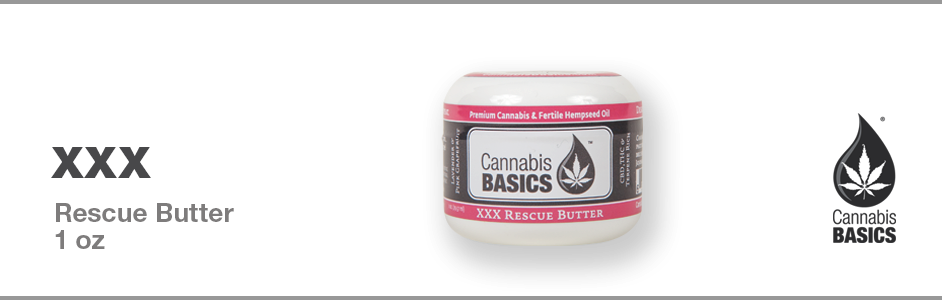
Cannabis Basics create healing topical lotions, massage oils, foot salves, lip butters, pain sticks and soothing tattoo after-care products. The XXX Body Rescue Butter has a pleasant, fruity, floral scent and the natural herbs and oils used ensure the product smells great while allowing the medicine to get through to affected areas. It is highly recommended for headaches, joint pain and migraine.

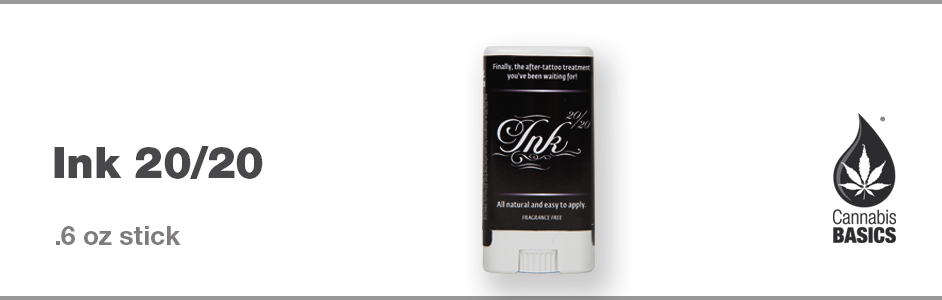
Ink 20/20 is a fragrance-free, cannabis-infused, balm stick that’s great for soothing irritated skin and easing the pain and itch of a recent tattoo. The applicator means you don’t have to rub it into your skin like other products and its a small enough container to be totally portable.

Vita Verde’s products use medicinal herbs and spices such as mint and cayenne which are natural vasodilators (open blood vessels, decrease inflammation, increase blood flow to affected areas). Fire Balm works on all sorts of aches and pains. It creates a soothing, warm and tingly sensation. A traditional balm (lotions and creams are lighter for everyday use) is great for extreme relief. Made with essential oils, beeswax and cannabis, Vita Verde's balms are thick, somewhat greasy, strong-scented and very, very powerful.

Empower™ Oil
 from Portland, Oregon is a pain-relieving oil, conveniently applied with a roll-on so you can 'put it where it hurts; rub it in, repeat'. It combines the highest quality essential oils, a proprietary combination of cannabis strains and a unique roll-on applicator to provide pin-point relief with skin nourishing benefits. It’s non-psychoactive, so using it won’t get you 'high', but it will help you address everything from chronic pain to eczema with its anti-inflammatory, analgesic, anti-microbial and anti-bacterial properties. It absorbs quickly, doesn't stain your clothing and the decrease of discomfort and uplifting effects of aromatherapy will linger. It is safe, non-toxic, hypo-allergenic and completely natural. The Oregon Cannabis Industry Association featured Empower™ and High Times Magazine listed it as one of the Top Ten Topical Companies in the nation in 2014.

Mary’s Medicinals from Denver, Colorado is a nutraceutical company best known as the developer and exclusive distributor of the award-winning Transdermal Cannabis Patch. Transforming how people view and utilise cannabis, developing products that maximise the benefits of cannabis and other vital plant extracts for optimum patient care, the company aims to establish a global brand of wellness products, catering to patients who want to use cannabis and plant-based medicinals as an alternative or accompaniment to traditional or prescription medications. Mary’s Medicinals creates the most effective, accurately dosed products utilising state of the art, clean delivery methods; while maintaining industry leading accountability driven by a patient-first mentality.

Doc Green’s out of San Francisco, California was heralded as a 'revolution in pain relief' with a cream created by a collective of Orthodox Jews who converted many seniors into cannabis activists! When Doc Green’s founder accepted the award for Best Non-Edible Medically Infused Product at the San Francisco Medical Cannabis Cup in 2013, he brought his elderly mother on-stage to share in the glory!

Apothecanna out of Denver, Colorado, offers hand-made, pain relieving, calming and stimulating 'cremes' formulated with natural, nutritious, organic ingredients; wild-crafted herbs and essential oils to help balance the body and the senses. They do not use artificial ingredients, fillers, parabens or known toxins; believe natural treatments are the best and strive to create products of purity, quality and functionality. Apothecanna artfully crafts small batches of their products, never compromise on quality and only test on humans.

Mary Jane’s Medicinals out of Telluride, Colorado offer a pain relief salve, lotion, massage oil, 'lip bong' and heavenly hash bath. This small business hand-crafts their products from scratch!

Granny Greenleaf from San Francisco, California produces a 420 Herbal Balm intended for healing pain and inflammation, created by Granny from beeswax from her home hives.

Browns Botanicals is a worldwide nutraceutical company that produces highly effective cannabidiol (CBD) dietary supplements designed to support overall health and well-being. In 2014 they were the first company on the east coast of the US to win an industry award for their CBDemu Topical Oil.


other references;