14 July 2015

Cannabichromenic acid (CBC-a) and Cannabichromenes (CBC's)


In 2015, University of Mississippi scientists discovered seven new naturally occurring cannabinoids. There are now around 111 known natural cannabinoids as reported in the scientific literature. 

Cannabichromic (cannabichrome carboxylic) acid (CBC-a)

CBC-a is regarded as the fourth major cannabinoid, found in almost every cannabis strain, but more commonly in 'tropical' varieties, and but a small part of the overall cannabinoid profile. However, some cannabis strains have been developed with higher amounts of CBC-a and studies have shown mild to moderate anti-fungal and strong anti-bacterial activity. PubMed returns 8 results for a search on Cannabichromic acid. 

Cannabichromene (CBC)

CBC is the third cannabinoid synthesised from CBG in the cannabis plant and displays several characteristics that indicate robust medicinal value. To get CBC, decarboxylation of CBC-a must occur. Naturally (over time) or quickly (if exposed to heat) the CBC-a will lose a molecule of CO2, and become CBC. Just as THC-a becomes THC, so CBC-a becomes CBC. Hebrew University research doctors, Yehiel Gaoni and Raphael Mechoulam, discovered a host of phytocannabinoids in the 1960's, with CBC being isolated in 1966. This non-psychoactive cannabinoid, usually found in low levels (<1% [more exacting analysis showed that the compound often reported as CBD may actually be CBC]), not only has benefits of its own, it works with other cannabinoids to produce a synergistic effect. It gives merit to the saying “the whole is greater than the sum of its parts” and reminds us all to never underestimate the power of the 'Entourage Effect'. A term coined by Professor Raphael Mechoulam alongside fellow research scientists, stating; "This effect ('entourage effect') may represent a novel route for molecular regulation of endogenous cannabinoid activity" (published in the European Journal of Pharmacology, 17 July 1998).


CBC has the same chemical formula and weight as CBD and THC but differs from its chemical cousins by the arrangement of its atoms (may explain why analysis showed that the compound often reported as CBD may actually be CBC). The lack of research hasn’t stopped it from being the subject of multiple patents recognising its wide range of medical uses. CBC is an analgesic, anti-microbial, anti-inflammatory, anti-bacterial, anti-viral, bone stimulant, neurogenic, anti-proliferative (slows tumour growth/combats cancer), just like CBD and THC. CBC has also been shown to be ten times more effective than CBD in treating anxiety and stress. 


Therapeutic and medicinal values include:
Targeting the spinal cord can reduce pain signals sent to the brain (Photo: chalmerswellness.com)
Targeting the spinal cord can reduce
pain signals sent to the brain

♋ Analgesic – CBC has been found to reduce pain in animal models, although its effect may not be as strong as THC. A study in 2011 by The British Pharmacological Society concluded that CBC and CBD could both fight pain by “interacting with several targets involved in the control of pain” at the spinal level. When combined, CBC and CBD pack a powerful healing punch, “these compounds might represent useful therapeutic agents with multiple mechanisms of action”, wrote the researchers. In this case, two cannabinoids are better than one! CBC has also been used successfully to remedy migraines, minimising the pain by reducing inflammation. CBC improves the pain-relieving effects of THC as a result of synergies or 'interplay' with THC. It is theorised that CBC’s pain fighting ability is derived from its role in increasing THC’s pain relieving properties, not necessarily CBC’s ability to do so independently. CBC also provides a sedative effect (it is not known whether it does so independently or in conjunction with another cannabinoid). Other studes have confirmed that CBC enhances analgesia, and that it is one of the compounds responsible for the 'Entourage Effect' on pain relief.  CBC has been identified as working for acute pain. Since CBC is non-psychoactive, it can provide medical benefits without making the patient 'high'. 


♋ Anti-bacterial and Anti-fungal - in a 1981 study from the University of Mississippi, US, researchers found that CBC exhibited strong anti-bacterial effects on a variety of gram-positive, gram-negative and acid-fast bacteria, including E. coli and staph (S. aureus). CBC showed mild to moderate activity against different types of fungi too, including a common food contaminant known as black mould (Aspergillus niger). CBC was shown to be superior to both THC and CBD in most instances.

(Photo: Psychology Today)
Cannabis is known to improve mood
♋ Anti-depressant - a study from the University of Mississippi identified a significant anti-depressant effect of CBC in rat models, concluding that CBC and a number of other cannabinoids may “contribute to the overall mood-elevating properties of cannabis”. Scientists are still trying to figure out more about how CBC does this, since it doesn’t seem to activate the same pathways in the brain as THC. Research has also shown that this relatively rare cannabinoid has an anti-depressant effect 10 times greater than that of CBD. It is believed that CBC’s primary purpose is to enhance the effects of THC. It has been suggested that elevated CBC levels will make a high-THC strain of cannabis even more potent. In this respect, think of CBC as THC’s amplifier, or booster. Like the cannabinoids CBD and CBG, CBC lacks psychoactive properties, but helps THC deliver them with greater effect. It is found in the highest concentrations in strains of cannabis native to the tropics. In what is called the entourage effect, researchers theorise that dozens of cannabinoids and terpenes are involved in forming an overall therapeutic efficacy that is greater than the sum of the individual cannabinoids. Research also points to the fact that these plant-based cannabinoids interact not only with each other, but also with the body’s internally produced cannabinoids (endocannabinoids).

♋ Anti - diarrhoeal - In another study CBC was demonstrated to alleviate diarrhoea without causing constipation, which is unique among treatments for diarrhoea, a useful if somewhat obscure use for this particular extract of cannabis.

Inflammation is an immune reaction and plays a key role in many diseases (Photo: drfranklipman.com)
Inflammation is an immune reaction
♋ Anti-inflammatory - studies show CBC has superior anti-inflammatory abilities, and tested superior to phenylbutazone as early as 1988. The abstract of a 2010 report states "CBC, THC, and a combination of both phytocannabinoids were examined and found that the anti-oedematous effects of these cannabinoids in combination were additive. Although CBC produced pharmacological effects, unlike THC, its underlying mechanism of action did not involve CB1 or CB2 receptors. In addition, there was evidence of a possible pharmacokinetic component in which CBC dose-dependently increased THC brain levels. In conclusion, CBC reduced oedema through a non-cannabinoid receptor mechanism of action. These effects were augmented when CBC and THC were co-administered". By inhibiting inflammation, CBC (in synergy with other cannabinoids and terpenes etc) helps the body establish homeostasis (balance).

CBC is promising as a gastro-intestinal anti-inflammatory aid, as shown in a 2012 study by The British Pharmacological Society. The researchers induced inflammation in the small intestine of a mouse and studied the effect of the phytocannabinoid on the animal’s intestinal motility. They drew the conclusion that “CBC selectively reduces inflammation-induced hypermotility in vivo in a manner that is not dependent on cannabinoid receptors”, thus, CBC can reduce both swelling and inflammation and produces a stronger anti-inflammatory effect when combined with other cannabinoids like THC. Not involving CB1 or CB2 receptors may explain why CBC produces a stronger anti-inflammatory effect when combined with other cannabinoids like THC. 

♋ Anti-proliferative - inhibits cancer cell growth. Studies have shown CBC to have anti-proliferative effects, meaning it can inhibit cancerous tumour growth, particularly breast-cancer and colorectal cancer. It works because of anandamide, a cancer-fighting endocannabinoid that our bodies produce naturally. CBC inhibits the uptake of anandamide, making it stay in the blood stream for a longer period of time meaning it basically improves the immune system’s ability to use its own healthy chemicals, such as anandamide, to rid itself of cancer. 

♋ Anxiolytic – Relieves anxiety. Studies have demonstrated that CBC has sedative effects, promoting relaxation. 

♋ Bone Stimulant – promotes bone growth. CBC has been shown to stimulate bone growth.

Brain growth continues in adulthood through a process called neurogenesis (Photo: Sixty & Me)
Brain growth continues during
adulthood through neurogenesis
♋ Neurogenesis – promoting the growth of new brain cells. Research in 2013 on CBC highlighted one of the most unique benefits of this compound, neurogenesis: it may actually help your brain grow. Specifically, CBC appeared to increase the viability of developing brain cells. Contrary to popular belief, neurogenesis doesn’t stop once you reach a certain age. However, it only occurs in a specific part of the adult brain called the hippocampus. The hippocampus is important for memory and learning and a lack of growth in this area is believed to contribute to a number of disorders, including depression and Alzheimer’s. While CBC’s ability to promote neurogenesis is a recent finding, previous studies suggest THC and CBD can do the same. As Dr Xia Jiang of the University of Saskatchewan, one of the first scientists to uncover this remarkable effect of cannabis explained: “Most ‘drugs of abuse’ suppress neurogenesis. Only 'marijuana' promotes neurogenesis”. Opiates, alcohol, nicotine and cocaine are all known to inhibit brain growth. Thankfully, CBC and other compounds in cannabis are proving to have the opposite effect.


Many experts, care-givers and patients have concluded that therapy involving a single cannabinoid - such as the CBD oils being used to treat children with intractable epilepsy - may be insufficient for the majority of patients. Many proponents of whole plant therapy point toward the 'Entourage Effect' and the subtle ways in which one cannabinoid, such as CBC, may buffer or enhance the effect of another, like THC (or an endocannabinoid like anandamide). With more than 110 cannabinoids having been discovered, additional research is necessary to understand the nuanced interaction of these specialised chemicals that fit perfectly into receptors throughout the human brain and nervous system. Greater knowledge of cannabinoids and the efficacy of particular cannabinoid profiles is needed before patients can be administered solutions targeted to their particular endocannabinoid system and the specific disease or ailment they are attempting to treat. 


CBC requires a temperature of 220°C (428°F) to decarboxylate and the LD50 (Lethal Dose) is 270mg/kg for monkeys (compared to nicotine for humans, 40–60 mg, 0.5-1.0 mg/kg).

A search for the compound Cannabichromene in PubMed returns over 70 results.


Cannabicyclol (CBL)
A degradative product like Cannabinol (CBN), during extraction, light converts CBC to CBL. It is found in small amounts, if at all, in fresh plant material, and there are, as yet, no reports on its activity in humans. It remains hidden in the shadows of other more prevalent cannabinoids. Its positive medical values have yet to be researched but it is expected that future studies will decipher its properties. Official research reports include 15 records on PubMed and Pubfacts.

This is Part 3 of a four-part series, covering one of the three major branches; Cannabichromenes (CBC's), including Cannabichromenic acid (CBC-a). Part 1 covered CBG-a, The Precursor, and CBG and Part 2 covered Cannabidiols (CBD's) including Cannabidiolic acid (CBD-a). Part 4 will cover the last of the three major branches of cannabinoids; Tetrahydrocannabinols (THC's), including Tetrahydrocannabinolic acid (THC-a) along with Delta-8 and Delta-9-Tetrahydrocannabinol, and Cannabinolic-acid (CBN-a) and Cannabinol (CBN).


Reference sources included;

CBC: THC Enhancer and Cancer Killer

08 July 2015

10 Arguments in Favour of Legalising Cannabis

For every responsible cannabis consumer, there’s a negative 'stereotyper' who assumes that cannabis users are all 'mad on the reefer' without taking into account the many positive arguments for legalisation. Whenever you hear the claim that cannabis users are irresponsible 'drug' addicts or that medical cannabis is a sham, you can counter with fact and these research-backed arguments in favour of cannabis legalisation.

1. The World Will Not Collapse into Chaos 
Hemp sports car
No, cannabis consumers are not going on violent rampages; in fact, it’s quite the opposite. Violent and property crimes have decreased in Denver, Colorado (US) since it legalised recreational cannabis. On the first of January, the one year anniversary since cannabis became available for purchase for adults 21 and older in Colorado was marked. For over two years, the state has also allowed adults to possess and cultivate limited amounts of cannabis. The city of Denver saw a decrease in violent crime rates in the first 11 months of 2014, following a similar trend in 2013 and state-wide traffic fatalities continue to decline, according to the Colorado Department of Transportation. Since peaking in 2002, traffic fatalities have fallen by more than a third and since legal sales of recreational cannabis commenced in January, so far this year traffic fatalities are again down. Colorado’s experience does not provide evidence that less repressive cannabis laws make the roads more dangerous, they actually might even make the roads safer by encouraging the substitution of cannabis for alcohol. Law enforcement in Australia would do well to pay close attention to these statistics instead of wasting yet more taxpayer dollars on 'drug' detecting devices of dubious reliability from a company that seems to have a really great monopoly!

2. Prohibition of Cannabis Takes a Financial and Social Toll on Society 
There were 658,000 arrests for 'marijuana' possession in the US in 2012 alone, and the majority of those arrests were non-violent, low-level offenders. Enforcing cannabis possession laws costs the US approximately USD$3.6 billion annually. All of this time, cost, and effort takes law enforcement away from more urgent issues. In Australia, more and more time, cost and effort is seemingly being put into enforcing the archaic and inane cannabis laws across the country. According to the Australian Bureau of Statistics (ABS) the second most prevalent principal offence in Australia in 2013-14 was illicit drug offences (71,386 offenders or 18%). According to the Australian Crime Commission in 2013-2014 the 66,684 national cannabis arrests were the highest on record.

3. Cannabis sativa L., is a Therapeutic Herb and Hemp is a Complete Nutritional Source
Cannabis sativa L., is;
lan annual,
lherbaceous - denoting or relating to herbs (in the botanical sense),
lusually dioecious - either exclusively male or exclusively female,
lor monoecious - having the stamen (male, pollen-containing anther and filament) and the pistil (female, ovule-bearing) in the same plant (hermaphrodite).
Thus, as the Help End Marijuana Prohibition (HEMP) Party of Australia so rightly point out, cannabis is a herb. A high-resin crop, cannabis is generally planted about 1.2-1.5m (four to five feet) apart and mostly used for its medicinal/therapeutic leaves and buds. Hemp is a low-resin crop, generally planted about 10 cm (four inches) apart, mostly used for its versatile stalk and seed. Different types of cannabis are classified as strains and different kinds of hemp are classified as varieties and cultivars. Whole hemp seed is additionally comprised of approximately 20-25% protein, 20-30% carbohydrates, and 10-15% fibre, along with trace minerals. A complete source of all essential amino and fatty acids, hemp seed oil is a complete nutritional source. In addition, constituents exist within the oil that have been shown to exhibit pharmacological activity.

4. Cannabis Has Medicinal Applications
Cannabis medicines
Despite the notion many anti-cannabis people have that medical cannabis is nothing more than a lie, studies have shown the potential of cannabis in shrinking aggressive cancerous brain tumours, preventing and treating Alzheimer's, Parkinson's, alongside a plethora of other diseases, disorders and syndromes. A recent US study found that treating epilepsy and other seizure disorders with Cannabidiol (CBD) reduced seizures by 54% and using Tetrahydrocannabinol (THC) reduced spasticity in sufferers of multiple sclerosis by 30%. Cannabis may also reduce depression and relieve anxiety. While more research is needed to better determine how cannabis can help successfully treat many more diseases, disorders and syndromes, there's a reason why 24 US states thus far have legalised cannabis as a medicine and why other jurisdictions across the world are reviewing their laws and treating cannabis as the medicine it is. In Australia in February 2015, the Senate Legal and Constitutional Affairs Legislation Committee commenced an Inquiry into the Regulator of Medicinal Cannabis Bill 2014 with a call for public submissions.

5. Cannabis is Far Less Toxic than Alcohol
In a comparative analysis on the risks of recreational drugs, alcohol was the top contender, while cannabis* was considered the lowest risk, making cannabis literally 114 times safer to use than alcohol*, a legal substance for adults ages 21 and older in the US and available to those over 18 years of age across Australia. On a population scale, only alcohol would fall into the 'high risk' category, and cigarette smoking would fall into the 'risk' category, while opiates, cocaine, amphetamine-type stimulants, ecstasy and benzodiazepines had a margin of exposure (MOE) >100, and cannabis had a MOE >10,000. The toxicological MOE approach validates epidemiological and social science-based drug ranking approaches especially in regard to the positions of alcohol and tobacco (high risk) and cannabis (low risk).
*There is no officially listed Lethal Dose in humans for cannabis, the Lethal Dose (LD50) in humans for alcohol (ethanol) is approximately 0.7g/kg.

6. Legalisation Hasn't Led to Increased Use Among Teens and Minors
When cannabis was legalised in Colorado, many feared it would lead to increased consumption among youth. In fact, legalisation has had the exact opposite effect, due to education and regulations restricting use to adults, the percentage of teenagers in Colorado who admit to using cannabis has been steadily dropping, from 22% to 20% between 2011 and 2013, and remains below the national average at 23.4%. Between 2010 and 2013 there was no significant change in the number of Australians (aged 14 years or older) who had used cannabis in the previous 12 months. The number of people recently using cannabis remained around 10%, 75% of Australians aged 14 and over support a clinical trial of cannabis to treat medical conditions, and 69% of Australians aged 14 and over support a change in legislation permitting the use of cannabis for medical purposes, while 26% think personal use of cannabis should be legal. 


7. Cannabis Generates Revenue
Ah yes, the almighty dollar. No matter how you put it, money talks. Colorado’s first year of legal cannabis provided USD$63 million in revenue, with an additional USD$13 million from licenses and fees. Not only that, the money is going to great causes - USD$30.5 million goes right back to the taxpayers (rewarding those who voted for legalisation) and the rest goes towards youth education programs, school construction and the costs of regulation (paying for itself). 

8. Keeping Cannabis Illegal is Expensive
According to the American Civil Liberties Union (ACLU), in 2010 the US spent more than USD$3.6 billion on enforcing cannabis prohibition. It's estimated that the US will spend more than USD$20 billion over six years on keeping cannabis illegal. 

An Australian government review, Government Drug Policy Expenditure in Australia – 2009/10, which looked at spending on prevention, treatment, harm reduction and law enforcement, found that spending on harm reduction measures fell over the period while prevention and treatment spending remained steady. In 2009/10 federal and state governments spent a total of AUD$1.7 billion in direct response to illicit drug use including: 

lAUD$1.12 billion on law enforcement – two thirds of the total spend (66%)
lAUD$361 million on treatment – just over a fifth (21%)
lAUD$157 million on prevention – just under a tenth (9%)
lAUD$36 million on harm reduction – 2%
lState and territory government spending accounted for more than two thirds of the spend (69%)
Dr John Herron, chairman of the Australian National Council on Drugs, said about the report, “It further strengthens the view of the Council that a much greater investment in preventing and treating drug and alcohol problems as well as reducing their harmful impacts is needed in Australia”. Lead author of the report, Professor Alison Ritter from the University of New South Wales, said that while spending on policing was high and had increased over the period, even allowing for inflation, it was not inconsistent with spending in other developed nations such as the USA, UK, Sweden and the Netherlands. However she said the drop in spending on harm reduction and the stable treatment spending over the period was concerning. “Australia has an enviable reputation worldwide in implementing programs which reduce the health harms of illicit drugs,” said Professor Ritter. “If anything we might have expected to see spending in this area increase over the period.

In March 2015, a new study, Health expenditure on alcohol and other drug treatment in Australia (2012/2013), was published online. The aim of the study was to analyse the health expenditure on alcohol and other drug (AOD) treatments to provide important information regarding the funding sources and distribution of AOD treatment funds. This study aimed to provide an estimate of annual health expenditure on AOD treatment in Australia and document a methodology for future estimates. The study followed international standards for health accounts and calculated health expenditure for the federal government, state/territory governments and private expenditure for the year 2012/2013. The total expenditure was estimated at AUD$1.2 billion in 2012/2013. The states/territories accounted for 51% of this total, the Commonwealth 31% and private sources 18%. In 2012/2013, AOD treatment represented 0.8% of total health-care spending.


9. Legalising Cannabis Helps Reduce the Black Market
It's possible to undercut the black market by making the legal market more appealing to the standard cannabis consumer through legalisation and tightly controlled regulations. Mexican cartels once saw the US as the top source of illegal cannabis, since legalisation has swept across four states and Washington DC, the amount seized by Border Patrols has dropped 24% (in the past year) and the price of Mexican-grown cannabis has dropped from $90 to $30 per kilo. Legalisation brings proper regulation and infrastructure and ushers in potency testing, product variety, warning labels and overall peace of mind for the consumer.


10. Legalising Cannabis Creates Jobs
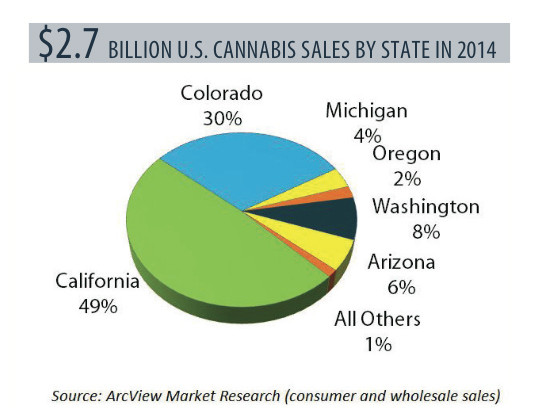
Colorado created 10,000 new jobs in the legal cannabis industry, boosting the economy and lowering the unemployment rate to just 6%, making it one of the lowest in the nation. Legal cannabis is the fastest-growing industry in the US and if the trend toward legalisation spreads to all 50 states, cannabis could become larger than the organic food industry, according to a report by researchers from The ArcView Group, a cannabis industry investment and research firm based in Oakland, California. They found the US market for legal cannabis grew 74% in 2014 to USD$2.7 billion, up from USD$1.5 billion in 2013.


adapted from Top 10 Arguments in Favour of Legalising Cannabis
with additional resources
Comparative Risk Assessment

03 July 2015

Cannabis Terpene Limonene


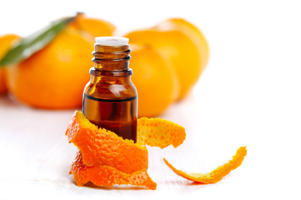
Have you ever wondered what gives cannabis strains like Super Lemon Haze, Chernobyl, and Tangie a sweet citrus aroma? That’s Limonene (D-limonene), a cyclic monoterpene produced in the cannabis flower’s resin glands and most commonly found in highest concentrations in the rinds of citrus fruit. A terpene with a wide range of uses, limonene is a commonly used terpene in perfumes, it is cheap and abundant enough to use as a semi-green degreaser or solvent and in household cleaners, food, and medicines. Terpenes are fragrant oils secreted in trichomes alongside cannabinoids like Tetrahydrocannabinol (THC) and Cannabidiol (CBD). Some strains tend to express higher levels of limonene, and often it’s the sour lemon scent that gives it away. These terpenes not only dictate the smell of cannabis, they can also modify its effects. But what’s so special about it? A major reason for limonene’s widespread use is its very low toxicity. While not being toxic to humans, a study done in the United Kingdom shows that allergic reactions (sensitisation and/or contact dermatitis) to limonene and linalool are more common than previously thought. Limonene may be related to α-pinene.

Limonene has a history in medicine, so it should come as no surprise that the limonene found in cannabis offers therapeutic benefits as well. Some of these studied effects include:

  • Aiding digestion
  • Anti-bacterial properties
  • Anti-depression - relieves symptoms of depression, elevates mood. A 2012 study examined limonene’s role as a corticotropin-releasing factor in the brains of rodents and found it to be notable and thus a significant way to treat depression.
  • Anti-fungal agent - natural remedy for athlete’s foot or yeast outbreaks
  • Anti-inflammatory - a 2010 study examined the anti-inflammatory effects of limonene and found it to be a potential treatment for asthma due to its ability to inhibit cytokines. There has been much study done on limonenes effectiveness in fighting cancer through stimulating apoptosis and other mechanisms. A 2012 study found limonene to have strong enough inhibition of inflammation to actually be chemopreventive, which means it prevents, rolls back, and protects against cancer. A 2013 study went so far as to recommend using limonene as a dietary supplement due to its powerful anti-inflammatory effects on the intestines.
  • Anti-proliferative - inhibits cancer cell growth and as such has been identified to help fight the spread of various types of cancer including glioblastoma, prostate, pancreatic, breast and skin.In the case of glioblastoma, a 2010 study found that perillyl alcohol, a constituent of limonene, increased the survival rate of patients and had virtually no long-term side effects. Perillyl alcohol isn’t the only constituent of limonene to fight cancer; it’s been known for two decades that d-limonene exhibits “multiple antitumorigenic effects” After the 1994 study, numerous other studies followed including a Phase I/II clinical trial in 1998, which found d-limonene to be effective at combating advanced cancers and recommended further research. Since they first began being heavily researched in the mid 1990’s, both d-limonene and perillyl alcohol have seen numerous studies and clinical trials demonstrate their abilities to combat cancer time and again. They have been shown effective against numerous types of cancer including breast, prostate, skin, and pancreatic cancers.
  • Anxiolytic - a study published in April 2012 edition of Brain Research found that limonene exhibited anxiolytic-like effects so potent and with so mild of side-effects that it was recommended as a 'new' treatment for anxiety.
  • Immunostimulant - stimulates the immune system
  • Improves absorption of other terpenes and chemicals by way of the skin, mucous membranes and digestive tract
  • Prevents gastric distress, relieves heartburn and gastro-oesophageal reflux
  • Promoting weight loss
  • Stress relief


Whereas THC levels typically make up 10-20% of a flower’s biomass, limonene occurs in mere trace amounts, generally from none at all to 1-2%. Some strains exhibit higher levels of limonene than others, and these levels can vary widely across harvests depending on the growing and curing process. In other words, one grower’s Jack Herer may test for high levels of limonene while another’s demonstrates a disappointing lack thereof. The only way to know for sure is through lab-tested batches. If your choices are not tested, you can always try following your nose or search a database like Leafly's for citrus flavours.

Here's just a sample of limonene-rich cannabis varieties, compliments of Leafly:

Cannabis sativa
The presence of limonene is in both name and aroma with Super Lemon Haze, a
sativa strain known for its ability to lift the spirit alongside a sweet lemon flavour.

The limonene in Durban Poison, a high-energy sativa, isn’t immediately apparent in its subtle
sweet and earthy aroma, but you’ll feel its uplifting, stress-relieving effects nonetheless.

Jack Herer is a fan favourite for a reason: not only does it typically boast high levels of limonene, Jack
offers a palette of other terpenes like pinene and myrcene, which promote alertness and relaxation respectively.

Cannabis indica
Limonene appears most often in sativa strains, but that doesn’t mean there aren’t indica strains with a high limonene
potential. Berry White exemplifies this with a limonene content that can be felt in its happy, stress-less effects.

Cannabis hybrid
You know how OG strains tend to have that lemony pine aroma? That’s limonene,
and it can also be detected in SFV OG's blissful, stress-crushing sensations.


Limonene can be vaporised at or around the terpenes boiling point of 176 °C (349 °F).