10 January 2016

Cannabis Facts, Not Fiction

Some of the claims and counter-claims on a slew of topics related to Cannabis use and regulation, for example, "Cannabis is as addictive as heroin", "Cannabis causes schizophrenia", and one of the latest in a long line of headlines that should be called imaginative journalism at best, "Cannabis regulation leads to increased traffic fatalities", are just some that pop up, again and again, in news articles and online. They sound true to some, perhaps because they are repeated so many times and because they are often said to be based on scientific evidence. In the United Kingdom (UK) the Telegraph ran the headline in 2015; “Cannabis as addictive as heroin, major new study finds”. On the surface this claim reads as if it were backed by scientific evidence. But, as is so often the case, it wasn't. The International Centre for Science in Drug Policy (ICSDP) tasked itself with determining the strength of scientific support for such 'Cannabis Claims' and narrowed down the list of most oft used falsehoods to thirteen (see all Cannabis Claims at the end of this article), finding that not one of the claims was strongly supported by any scientific evidence.


Screen_Shot_2015-09-10_at_1.31.47_PM.png

As a neuropsychopharmacologist at the Imperial College London, Professor David Nutt studies the impact of drug use on the brain. On the whole, his years of research on drug use has taught him a major overarching lesson that we are much more likely to demonise drugs for their negative effects than consider their neutral or potentially positive impacts. Or, in scientific terms, there is a built-in bias in the scientific literature, textbooks and the popular press towards highlighting the negative aspects of drug use. And more ink has dried on Cannabis (a herb) than any other substance, perhaps because it’s the most widely used illegal substance and the subject of intense debate concerning its regulation. Professor Nutt's research focuses on neurological function and he often comes across claims about Cannabis’ impact on the brain. You’ve likely heard them too, including claims that Cannabis use lowers IQ by up to 8 points and that use causes schizophrenia and impairs cognitive function in the long term. What’s fascinating about these claims is that they’re almost always purportedly “based on the scientific evidence”, but we already know this is not the case. The ICSDP reports addressed this head-on by evaluating the science in support of some of the most high-profile claims about Cannabis. The results are compelling: taken together, they demonstrate how easily evidence can be twisted to support political ends.

An example, often-repeated, is that Cannabis causes a drop in IQ of up to 8 points, the major finding of a 2012 report from Duke University (North Carolina, United States [US]). But, these results were based on one very minor study and the 8-point drop in IQ was observed in only 38 individuals (3.7% of the total sample). In 2014 a University College London report was published that re-examined this issue in another group of young people, with a sample size over twice as large as the Duke study and taking into account alcohol use, cigarette use, maternal education and other potential confounders. The result? The authors found no association between Cannabis and IQ at all, not even among heavy Cannabis users. It is clear that we are some way off from a final answer to the question of whether Cannabis is ever harmful to intelligence.
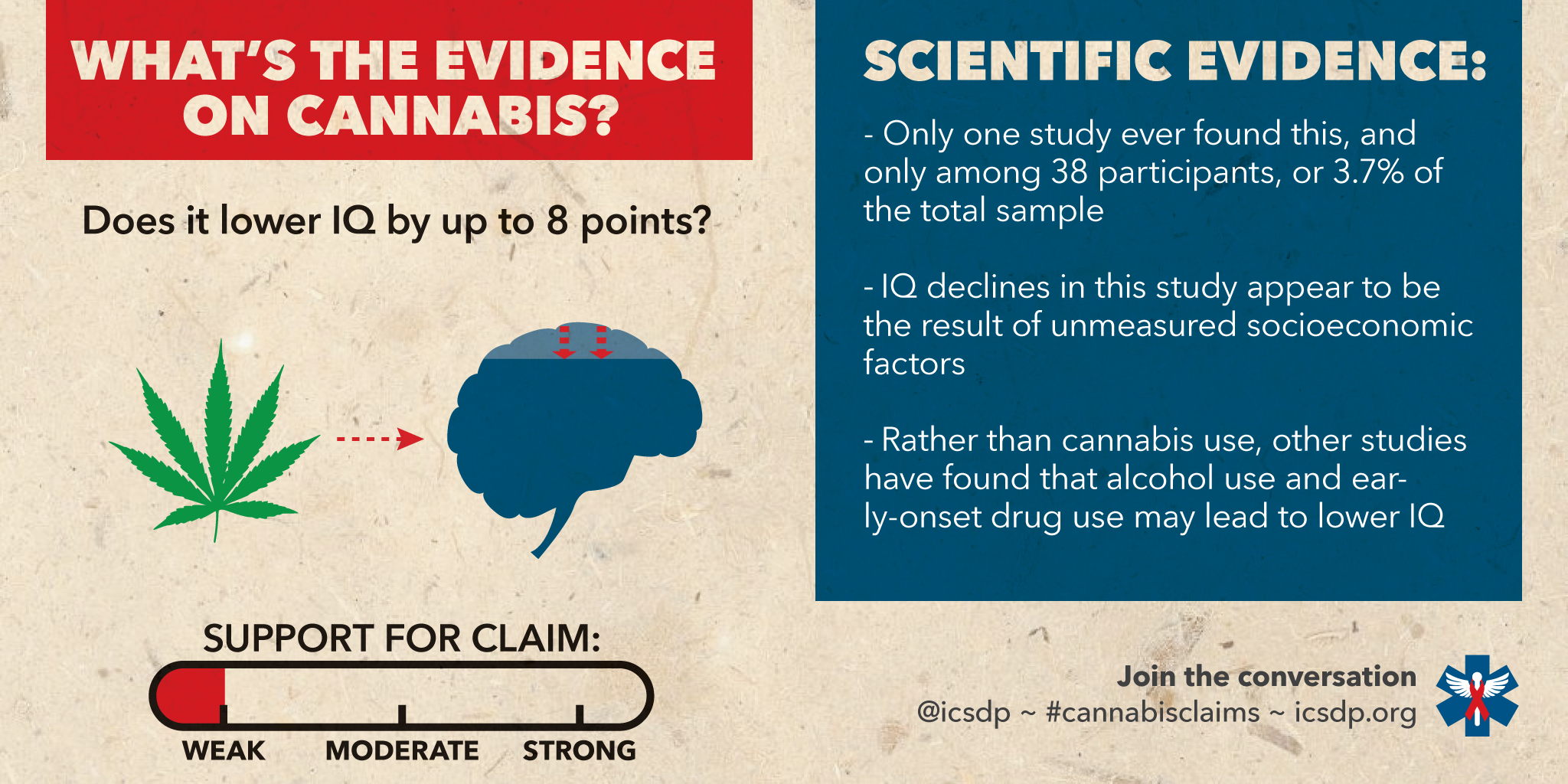


Another example of deceit is that science does not suggest Cannabis is as addictive as heroin, in fact, science tells us Cannabis is not an addictive substance at all. Around 147 million people worldwide (2.5% of the world population) have used Cannabis with no clear evidence of any withdrawal syndrome, let alone dependence. A lifetime of Cannabis use carries a low risk of dependence (9%, less than one in ten people). Rates of lifetime dependence to heroin, by contrast, are about one in four. The risk of dependence is very low among those who report using it for one year (2%) or even 10 years (5.9%). This is much lower than the estimated lifetime risk of dependence to heroin (23.1%).


The question, "Does Cannabis use cause schizophrenia?" is still routinely answered by mainstream media and many in both private and public health systems, the pharmaceutical industry and law enforcement (just to name a few with a seemingly vested interest in the illegality of Cannabis) with a resounding "yes", but they are all patently wrong. While studies have shown Cannabis use is associated with schizophrenia, this is a very different claim. Scientists suggest people at risk of schizophrenia might actually use Cannabis to mitigate early symptoms of the condition and that this is the reason for the association. The claim, then, confuses correlation with causation. Furthermore, if Cannabis use caused schizophrenia, we would presumably see changes in schizophrenia rates based on levels of Cannabis use. But during a period when Cannabis use increased fourfold in the UK (1970–2010), the incidence of schizophrenia remained essentially stable. In 2013 research by Harvard Medical School, published in Schizophrenia Research from a comparison between families with a history of schizophrenia and those without, found little support for Cannabis use as a cause of schizophrenia. "The results of the current study suggest that having an increased familial morbid risk for schizophrenia may be the underlying basis for schizophrenia in Cannabis users and not Cannabis use by itself”.


Cannabis impacts the very system that research suggests has a major role in schizophrenia, the Endocannabinoid System (ECS), which is involved in neurotransmission and regulation of functions such as sleep, cognition and emotion. The ECS is also involved in reward processing, which recent findings suggest is deficient in patients with schizophrenia spectrum disorders. Matthijs Bossong, PhD, of the Rudolf Magnus Institute of Neuroscience, University Medical Centre Utrecht in the Netherlands explained in Psychiatry Advisor, “It has been shown that patients with schizophrenia have enhanced levels of endogenous cannabinoids as measured both in their blood and cerebrospinal fluid and neuro-imaging studies and post-mortem examinations have shown that they have increased levels of cannabinoid receptors in their brains".


Bossong co-authored a review in 2014, Role of the Endocannabinoid System in brain functions relevant for schizophrenia: An overview of human challenge studies with Cannabis or Δ9-Tetrahydrocannabinol (THC), in the journal, Progress in Neuro-Psychopharmacology & Biological Psychiatry, while at the Institute of Psychiatry, King's College London, which provided further support for the involvement of the ECS in symptoms of schizophrenia. “For many brain functions, such as memory, executive function and emotional processing, we found striking similarities between 'Cannabis-intoxicated' healthy volunteers and non-intoxicated schizophrenia patients”, he said.

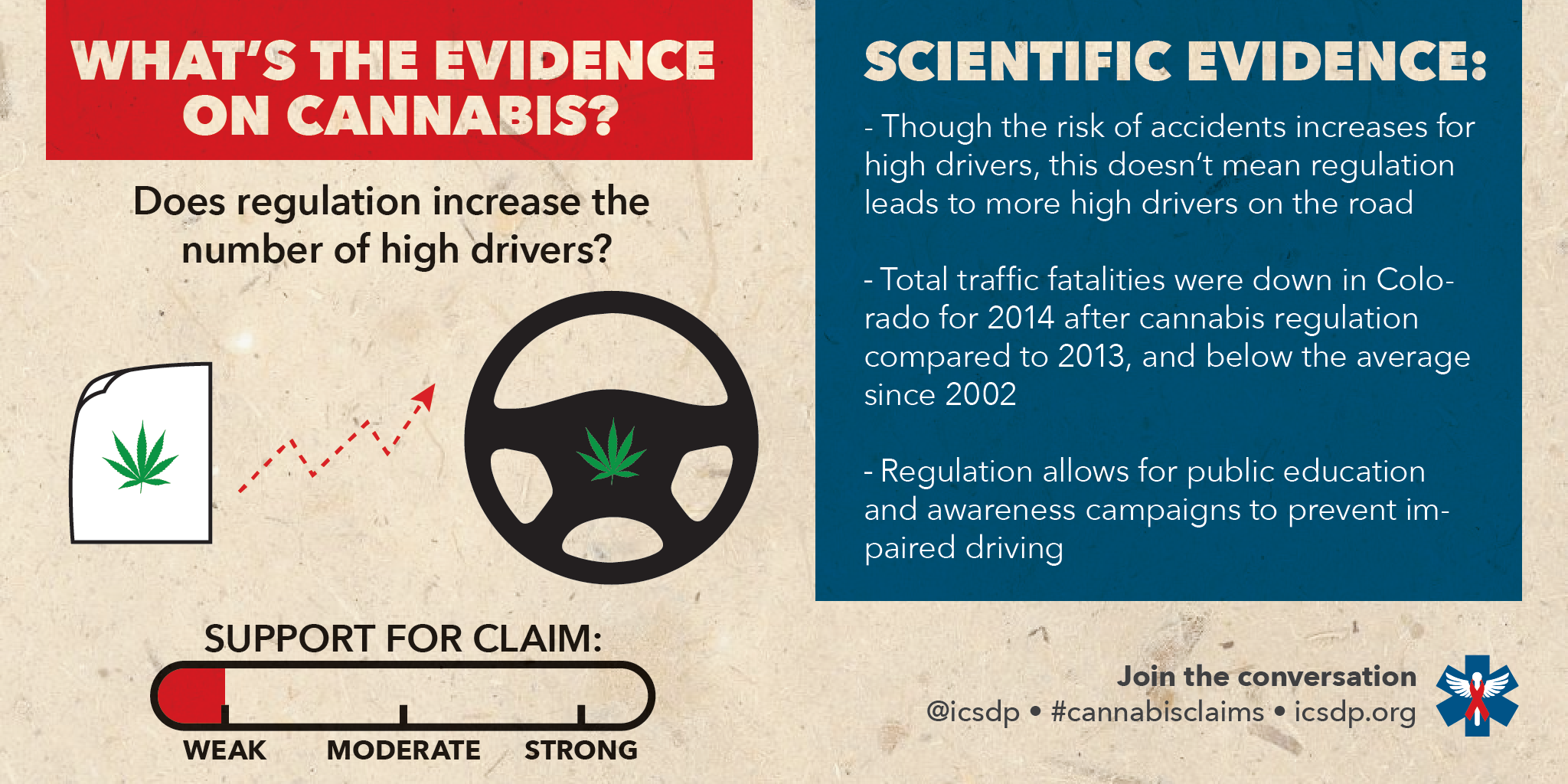
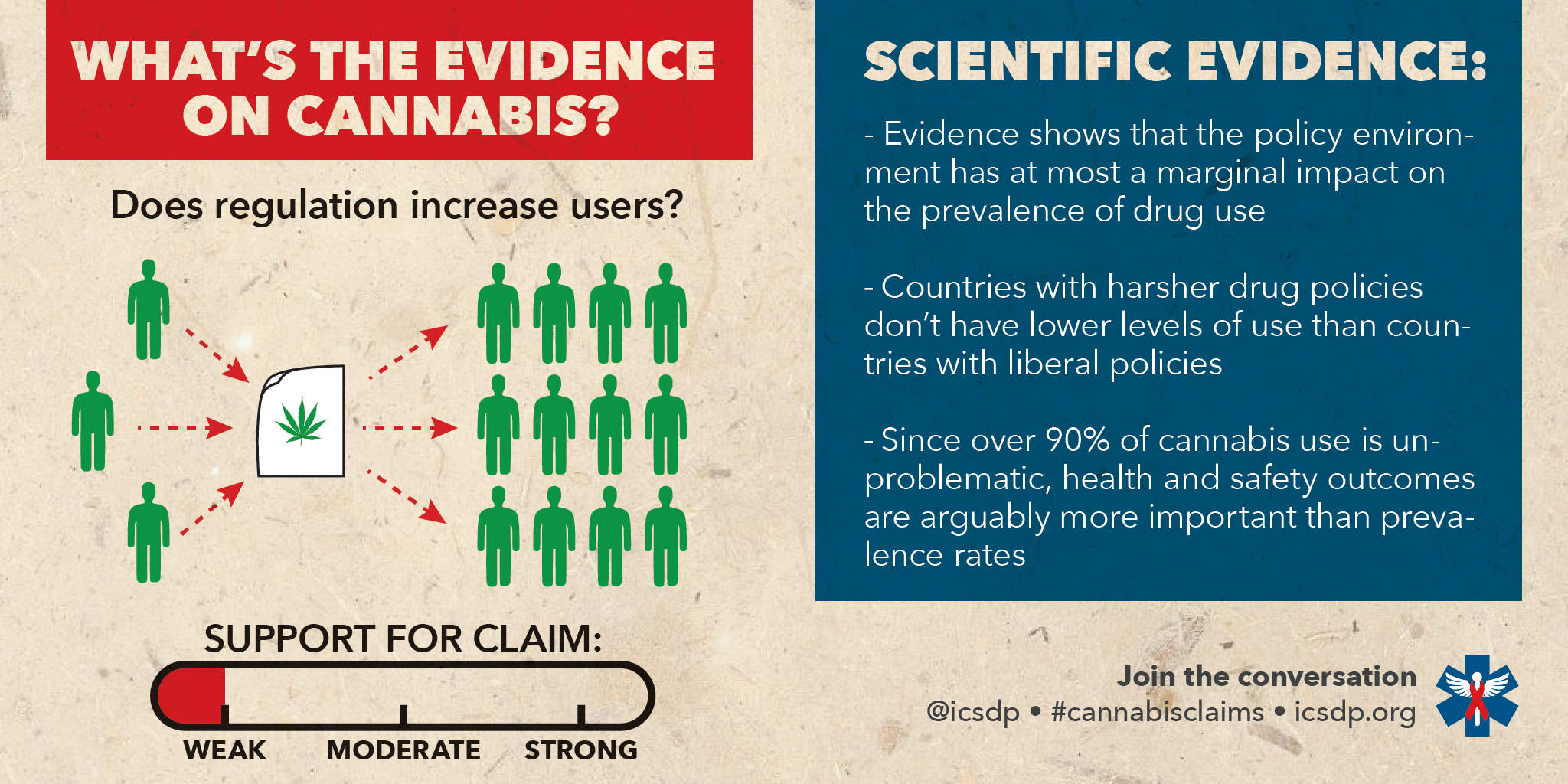
"Does Cannabis regulation lead to more traffic fatalities as a result of people driving while affected by Cannabis?" In the state of Colorado (US), recreational Cannabis use and possession was regulated in 2012. Since then, traffic fatality rates have been below the yearly average seen since 2002 (over a decade). So, there isn’t any evidence to suggest regulating Cannabis will lead to more people involved in deadly car crashes. This claim seems to be rooted in the assumption that impaired driving will increase because Cannabis use will increase under a regulatory scheme. It is therefore worth emphasising that scientific evidence has not found an association between levels of Cannabis use and any national Cannabis policies.

It is important to note that responsible regulatory schemes would not legalise driving under the influence of Cannabis. It remains an offence in Colorado and indeed the law has arguably been tightened with new Tetrahydrocannabinol (THC) blood limits, increased enforcement efforts and a public education drive funded in part by Cannabis tax revenue. Importantly, compared to prohibition, Cannabis regulation allows for detailed public education and awareness campaigns to prevent any perceived risky behaviours, such as impaired driving, as has occurred with drunk driving. Interestingly, experts agree the risk of motor vehicle collisions is much lower for Cannabis use compared to the risk associated with alcohol use. The impact of alcohol intoxication on driving should therefore remain a far greater public health concern.

In Washington state (US) where Cannabis was legalised and regulated in 2012, members of law enforcement, Sheriff John Urquhart of King County and John Schochet, Deputy City Attorney for Policy and Constituent Affairs from the Seattle City Attorney's Office, shared their thoughts on how regulation has impacted impaired driving (excerpts from a September 2015 interview with responses condensed for clarity).

Q: "A claim we often hear is that Cannabis regulation will lead to greater impaired driving. What has your experience of Cannabis impaired driving been since legalising and regulating Cannabis markets in Washington State?"
A: John Schochet: "Cannabis legalisation does not seem to have increased DUI's overall, though it might be that some Cannabis DUI's are substituting for alcohol DUI's. Overall, DUI increases are not an enormous problem when it comes to marijuana* legalisation".
A: Sheriff Urquhart: "The Washington State Patrol's numbers indicate that, despite the legalisation of recreational marijuana*, driving under the influence (DUI) has not measurably increased".
Q: "How has Initiative 502 (Washington State's Cannabis legislation) impacted the way individuals are convicted of driving under the influence of Cannabis?"
A: John Schochet: "First, it's worth emphasising Cannabis legalisation didn't mean impaired driving was legalised. What it did do was make it easier to convict people who are actually driving 'stoned' (impaired), rather than those who simply show evidence of Cannabis use in their blood. There are two substances that can be determined by a blood test; Carboxy-THC and active THC. Carboxy-THC doesn't indicate impairment because it stays in your blood for a long time. It just shows that you used Cannabis at some point. Active THC actually shows impairment. Without other evidence of impairment, basing conviction on carboxy alone is unreasonable. But before 502, a lot of people were being convicted of driving under the influence of Cannabis based on just carboxy in the blood" (as is the case across Australia where no impairment is required for law enforcement to interfere with the healthcare of sick and suffering, sometimes dying, otherwise law-abiding citizens).
A: Sheriff Urquhart: "Investigating impairment solely for marijuana* use has historically been a little tricky. The officer would have to prove impairment based on his or her observations of the driver and often a drug recognition expert would have to observe the driver as well. With the new 'per se' limits on THC, however, it has become much easier to investigate and prosecute a driver for being impaired solely from marijuana*".
Q: "Given all your experience, how do you respond to the claim that we shouldn't legalise and regulate Cannabis because it will lead to more 'stoned' drivers?"
A: John Schochet: "Is there a concern with impaired driving? Absolutely. It's a huge issue with alcohol and has been for a long time. But our response isn't to ban alcohol. Our response is to go after people who drive impaired and to engage in public safety campaigns. So when it comes to impaired driving, I view it as something we should be worried about, but it is not a justification for banning marijuana*". 
A: Sheriff Urquhart: "The truth of the matter is that regulation will come with harms. The key is weighing the costs and benefits of a regulated v's unregulated market. We have been fighting a futile drug war for over 40 years. I'm pleased we are not allowing the fear of change to impede the search for a better way".


The examples of fact over fallacy given are only a few of those reviewed by the ICSDP 'Cannabis Claims'. The main conclusion is that, for the most part, the global conversation around Cannabis policy still remains mired in unscientific claims. And that can and does have serious consequences for the effectiveness and potential harms of Cannabis policies in many countries, including Australia, New Zealand, Canada and both the UK and US (just to mention a few).

Given the conflicting findings on this issue, why do any of these dangerous claims continue to circulate as if unequivocally true? Part of it has to do with our appetite for discovery: our society is wired, for better or for worse, to celebrate and obsess over technological and scientific breakthroughs. So when a new scientific finding is made, particularly about a substance like Cannabis that so many people are familiar with, it makes headlines. Unfortunately, it seems that after those initial “discovery moments,” our collective interest in the issue wilts away. Put another way, the initial studies always make headlines, in both the scientific and popular press; the corrections and conflicting findings that come a year, two years or five years later? Not so much.

In Canada during the 2015 federal election the then Canadian government’s production of anti-Cannabis public service announcements drew the ire of the country’s main physician group, the Canadian Medical Association, which refused to endorse the so-called 'educational campaign' because it believed the ads were serving political rather than educational goals. In the US and elsewhere, third-party advocacy groups continue to spread disinformation about Cannabis. Kevin Sabet, director of Smart Approaches to Marijuana*, an anti-regulation group in the US stated on CNN that Cannabis “is a drug that can result in serious, long-term consequences, like schizophrenia”, a claim that is not backed by any science. In Australia the leader in 21st century 'reefer madness' is the National Cannabis Prevention and Information Centre, NCPIC (federally funded, i.e., with tax-payer dollars added to regularly by pharmaceutical industry funds and 'donations'). The President of the Australian HEMP Party noted in September last year that, "With statements like, ‘Cannabis is addictive and there’s no proof it’s useful for medical purposes’, the NCPIC needs to grow up ... 'It’s as addictive as tobacco with severe withdrawal symptoms and it causes lung cancer' is more reefer madness nonsense from them ...”.


According to Professor Nutt, the other main reason that false claims about Cannabis continue to circulate is a little more insidious. It boils down to the trust we place in our gut feelings and the way that we’ve been educated about drug use in general. Using substances like Cannabis, we’ve been taught, makes you stupid. So when those ignorant of the truth about Cannabis see a headline touting scientific evidence consistent with how the mainstream has been educated to feel about Cannabis, it becomes very appealing as a way to validate our gut instincts. When that science is shown to be equivocal or false, though, there’s a lot more work that has to go into adjusting those same instincts. Instead of changing our minds based on the evidence, it is much easier just to ignore it. The end result is too often that the many scientific corrections, refutations and re-interpretations of the evidence just get swept under the carpet. We don’t want to believe we have been misled for all these years.

There’s one more important reason, Professor Nutt believes that reporting on Cannabis science tends towards the negative; money. Scientists examining the health and social impacts of substances are usually funded by government agencies and they often highlight the negative effects of substances to justify their own source of funding. If a scientist can show that a substance is harmful, then they can show that it’s important to do more research on the topic to protect society. The more harmful the substance appears to be, the more critical it is to fund research on it, so their funding is perpetuated. By contrast, if use of a substance appears to have only benign effects, then why would governments bother spending more research money on it? This cycle has perpetuated a scientific industry intent on demonstrating the harmful effects of substances like Cannabis, precisely because doing so allows the industry to justify its own existence. Of course, one of the major consequences of this cycle is that research on the potential benefits of substances gets sidelined, for example with not nearly enough government funding for studies on Cannabis’ health benefits.


There is a massive and growing scientific literature on Cannabis. And yet, for all its complexities and contradictions, we only tend to hear about the most negative study outcomes. When people state with conviction that Cannabis causes a loss of IQ points, or causes schizophrenia, they are absolutely wrong in their certainty. Whilst the evidence accumulates, we need to remain open-minded to the possibility that Cannabis does not impact IQ or cause schizophrenia. Understanding the scientific evidence on these issues, which the ICSDP’s reports help us to do, is the first step towards having an informed discussion about how we as a society should treat Cannabis. The harder part is understanding and overcoming the many obstacles that restrict the use of that same evidence in our public discourse.


*Cannabis sativa L., is the correct botanical term, marijuana* is a North American colloquialism


#CannabisClaims is a campaign by scientists and academics to set the record straight on thirteen of the most oft-repeated claims on Cannabis use and regulation, none of which are strongly supported by the scientific evidence. As more and more jurisdictions reconsider their Cannabis policies, the public discourse is filled with conflicting evidence about the impacts of Cannabis use and regulation.


Using Evidence to Talk About Cannabis equips readers with evidence-based responses to the claims. The majority of Cannabis use claims outlined in the reports tend to either misinterpret or overstate the existing scientific evidence. Dr Carl Hart, Professor in the Departments of Psychology and Psychiatry at Columbia University (US) stated, “The claim that Cannabis is a ‘gateway’ drug, for example, confuses correlation and causation. Worse still is the fact that a false claim like ‘Cannabis is as addictive as heroin’ is reported as front page news ... False claims like these hamper public understanding of these issues and ultimately lead to harmful policies”.


Adapted from, Separating Fact From Fiction In The Cannabis Debate with Here's Why We Hear So Many False Claims About Cannabis, How Cannabis Legalization Has Impacted Impaired Driving in Washington State, Impact of Regulation on Drug Crime & Impaired Driving, Using Evidence to Talk About Cannabis, Toward a Global View of Alcohol, Tobacco, Cannabis, and Cocaine Use: Findings from the WHO World Mental Health Surveys, Marijuana and Driving, Epidemiology and consequences of drinking and driving, Drug use and fatal motor vehicle crashes: A case-control study, Marijuana use and motor vehicle crashes, Schizophrenia and Psychoses/Cannabis and Schizophrenia -Trigger or Treatment

07 January 2016

Nutritionally Beneficial Hemp Milk


bottles-of-different-kinds-of-milkThe search for palatable and sustainable alternatives to cow's milk has been going on for years, with more people becoming conscious of how their food is produced and what effect it has on their bodies. In the US the market has shown a move toward alternatives, with almond milk sales soaring to $700 million in 2015, up 40% over 2014. For the sake of good health we can replace cow’s milk with healthy natural substitutes including Hemp, brown rice, almond, or even raw goat’s milk. 
Hemp milk is an incredibly nutritious and tasty alternative to cow’s milk which supplies the body with essential nutrients without causing harm to the body, like cow's milk does. Whatever the reason you are considering abstaining from cow’s milk, Hemp milk is probably the best alternative to consider. Hemp milk is a blend of Hemp seeds and purified water which produces a creamy textured nut-milk, with a delicious, nutty taste. And unlike cow’s milk, Hemp milk is easy for the body to digest.
Milk CartoonA study published in 2014 in the British Medical Journal revealed cow's milk contributes to a greater risk of mortality in men and women as well as bone fractures in women. A 2013 paper published in the Journal of the American Medical Association Paediatrics found bone fracture rates tend to be lower in countries that do not consume cow's milk compared to those that do, noting there are many other, better sources of calcium. However, calcium isn’t as bone protective as was once thought. Multiple studies on calcium supplementation have shown no benefit in reducing bone fracture risk. In fact, a 2003 study showed Vitamin D to be more effective, concluding, "an adequate Vitamin D intake is associated with a lower risk of osteoporotic hip fractures in post-menopausal women. Neither milk nor a high-calcium diet appears to reduce risk". And, a 2005 study, among others, suggested dairy products might increase male risk of developing prostate cancer by 30-50%.
Around 65-75% of the total human population have a reduced ability to digest lactose after infancy, evidence enough we are not doing what is natural, in accordance with our bodies. Lactose intolerance is an impaired ability to digest lactose, a sugar found in milk/dairy products, normally broken down by an enzyme called lactase, which is produced by cells in the lining of the small intestine. Every other mammalian species weans and never drinks milk again for the rest of their lives, due to that, they don’t have an enzyme to break down the sugar in milk. But during human evolution, some humans experienced a mutation in the LTC gene, the lactase gene, mutations allow us to process lactose as adults.
Hemp seeds
Produced from the seeds of the Hemp plant, some are concerned that Hemp milk might contain some of the psychoactive cannabinoid, THC (tetrahydrocannabinol), found in Cannabis. These concerns are totally unfounded as none is present in Hemp milk. Some US Hemp milk producers have to rely on obtaining Hemp seeds from farmers in Canada or Europe, where the growth of Hemp plants for oil or milk is perfectly legal. In Australia, Hemp is still illegal for human consumption, but can be grown and sold for external use only (labels must be affixed to any imported or local product clearly stating same in both Australia and New Zealand). Law enforcement in both countries are showing their combined ignorance by banning this nutritionally supercharged food. 
Hemp milk contains no sugar, no cholesterol and is free of soy, gluten and lactose. For many these factors make it the perfect, healthier choice. An abundant source of vital nutrients, essential fatty acids, and vitamins all in a single 225g (8oz) glass of organic Hemp milk, including the following:
Hemp milk benefits include:
  • Strengthened immune system
  • Clear, healthy skin, hair and nails
  • Strong, healthy heart
  • Increased mental capacity
  • Excellent anti-inflammatory
  • Improved circulation.

Make your own organic Hemp milk with the following ingredients:
  • 1 cup Hemp seeds (shelled)
  • 5-6 cups purified water
  • Natural sweetener such as Agave nectar, raw Honey, organic Vanilla essence
  • Nut-milk bag or cheesecloth (for straining)
Combine water and Hemp seeds in a blender. Use more water to achieve a skim milk consistency and less water to produce a heavier, creamier consistency. Blend on high for 2-3 minutes, or until you reach desired consistency. Strain the milk through a nut-milk bag or cheesecloth and sweeten by adding your choice of organic sweetener. As Hemp milk tastes better cold, chill before use. This recipe makes: 6-7 cups which will stay fresh for 3 days in the refrigerator in a sealed glass container. Shake well before each use. The seed pulp can be used as an excellent body scrub, facial mask or compost.

Resources:

31 December 2015

Delta-9-Tetrahydrocannabinol (THC)

Cannabinoids
In Israel in 1964 the most prominent compound in Cannabis sativa L., a non-toxic herb commonly referred to simply as 'Cannabis', delta-9-Tetrahydrocannabinol (THC), was discovered. THC starts out in the Cannabis plant as geranyl pyrophosphate and olivetolic acid. Through enzyme catalisation (an increase in the rate of chemical reaction, without which most biochemical reactions would not occur) they become Cannabigerolic acid (CBG-a), the essential precursor for all cannabinoids. CBG-a becomes THC-a, a cannabinoid which has very different effects to THC. But, with heat or over time, THC-a decarboxylates into THC. Cannabinoids are specialised molecules that mimic similar chemicals in the human body and fit into special receptors within the brain, nervous and immune systems and as reported in the scientific literature at this time there are around 111 known natural cannabinoids. 

Cannabinoids have been found to work synergistically with the human body and, more specifically, the Endogenous Cannabinoid System (ECS). The human body produces its own cannabinoids, called endocannabinoids (endogenous means produced internally). Phytocannabinoids (literally, 'plant' cannabinoids) from the Cannabis plant are a perfect fit for the specialised cannabinoid receptors found throughout the brain, nervous and immune systems. In addition, cannabinoids do more than work independently to deliver a particular therapeutic effect, they also work in tandem to regulate one another, something that has been labelled the Entourage Effect. These miracle molecules give the herb a wide variety of therapeutic benefits, from reducing inflammation to managing pain and many researchers and patients have begun to recognise the fact that single cannabinoid extracts may not be the best solution for the majority of patients.
The Endocannabinoid System (ECS) is a coordinated network that consists of the canonical Cannabinoid Receptors (CB1 and CB2), their endogenous ligands, Anandamide (the 'bliss' molecule) and 2-arachidonoyl glycerol (2-AG) and their synthesising and degrading enzymes. THC mimics the actions of Anandamide and 2-AG and has been shown to be an effective treatment for a variety of neurological, gastrointestinal and psychological ailments. It is an especially effective treatment for Crohn’s disease. This is primarily because of the way in which this cannabinoid decreases inflammation, the core cause of Crohn's. In fact, THC is such an effective treatment for Crohn’s, it has been shown to put the disease into remission. Strains high in THC are also effective in treating PTSD and even preventing heart attacks. Strains high in THC can sometimes deliver a strong dose of paranoia but this is easily ameliorated with everyday household pantry items like Black Pepper, and patients who suffer from acute anxiety often find strains lower in THC to be more therapeutic. Cannabichromene (CBC) another cannabinoid, has been found to enhance the potency of THC. Thus, a strain that is high in both THC and contains enough CBC to enhance its psychoactive properties will be especially potent, providing greater efficacy for some patients. Likewise, another cannabinoid, Cannabigerol (CBG), has the opposite effect on THC, serving to buffer its effects and decrease its psychoactive properties. Strains that are high in THC, but also with sufficient amounts of CBG, may be more tolerable for some.

The commercial value in most jurisdictions where use of Cannabis is still illegal is typically dictated by the amount of THC it contains. Cannabis strains with larger percentages of THC (12-21% is purportedly the average) are capable of delivering more potent therapeutic and medicinal efficacy. Some strains of Cannabis, such as Train Wreck and OG Kush, feature THC in quantities as high as 24-30%. Concentrates, such as hash and wax may feature as much as 85% THC. One method of isolating the THC contained in whole plant Cannabis is to vaporise it, allowing it to be consumed without the tars and toxins of smoking.

THC is a bronchial dilator, an effective treatment for asthma and related respiratory conditions, again this is due to its anti-inflammatory properties. It is also very helpful for those suffering from autoimmune deficiencies, such as wasting syndrome and HIV/AIDS, because of its ability to stimulate a patient’s appetite. THC allows sufferers to maintain body weight and enjoy proper nutrition so they are most capable of battling their disease. THC is a powerful treatment for nausea caused by chemotherapy and other toxic treatments. It allows patients to keep down food or critical pharmaceutical drugs that otherwise would be lost through vomiting. Like its cousin Cannabidiol (CBD), THC also provides neuroprotective qualities, making it well suited to treating diseases like Multiple Sclerosis (MS), Parkinson’s and Epilepsy. Like CBD, CBG and CBC, THC has also been proven to fight cancer and can be an effective analgesic (pain killer). 


THC has been proven completely safe to consume with decades of research revealing the impossibility of overdose. According to the United States (US) National Cancer Institute, “Because cannabinoid receptors, unlike opioid receptors, are not located in the brain-stem areas controlling respiration, lethal overdoses from Cannabis and cannabinoids do not occur”. Lethal doses are simply not possible due to the lack of cannabinoid receptors in the brain stem, responsible for respiration and heart function, unlike drugs such as cocaine and heroin, which can easily result in overdose. In 2008, researchers in universities in both Montreal and Vancouver, Canada, reviewed 23 clinical investigations of cannabinoid drugs (typically oral THC or liquid pharmaceutical Cannabis extracts) and eight observational studies conducted between 1966 and 2007. Investigators "did not find a higher incidence rate of serious adverse events associated with medical cannabinoid use" compared to non-using controls over these four decades.

Regulation of THC by other cannabinoids like CBG also affect potency and overall effect, providing another buffer. A 2009 study revealed that using only 10 times the “effective” dose of alcohol can be fatal, whereas 1,000 times the effective amount would be necessary to achieve a fatal dose of Cannabis, a quantity impossible to consume! More research has indicated additional reasons why humans don’t die from Cannabis poisoning. In 2014, the journal Science published results from a French study, Pregnenolone Can Protect the Brain from Cannabis Intoxication, which documented the discovery and presence of a natural hormone that reverses Cannabis intoxication - in rats, at least. According to the researchers: “When the [rat] brain is stimulated by high doses of THC, it produces pregnenolone - a 3,000% increase - that inhibits the effects of THC”.  

Therapeutic and medicinal values include (but are certainly not limited to):

♋ Analgesic (Pain Killer) – Understanding the mechanism of cannabinoid-induced analgesia has been increased through the study of cannabinoid receptors, endocannabinoids, and synthetic agonists and antagonists. The CB1 receptor is found in both the central nervous system (CNS) and in peripheral nerve terminals. One of the most common uses of Cannabis is for pain relief and THC is the cannabinoid responsible for its pain-relieving effects. A 2010 double-blind study titled "Smoked Cannabis for Chronic Neuropathic Pain: A Randomized Controlled Trial", published in the Canadian Medical Association Journal stated: "Adults with post-traumatic or postsurgical neuropathic pain were randomly assigned to receive Cannabis at four potencies (0%, 2.5%, 6% and 9.4% THC) over four 14-day periods in a crossover trial. Participants inhaled a single 25-mg dose through a pipe three times daily for the first five days in each cycle, followed by a nine-day washout period. Daily average pain intensity was measured using an 11-point numeric rating scale. Conclusion: A single inhalation of 25mg of 9.4% THC herbal Cannabis three times daily for five days reduced the intensity of pain, improved sleep and was well tolerated". A 2012 study shows THC activates pathways in the central nervous system which work to block pain signals from being sent to the brain. Likewise, in a 2013 study, Cannabis is shown to be especially effective against neuropathic pain, or nerve-related pain. Another 2013 study titled, "Low Dose Vaporized Cannabis Significantly Improves Neuropathic Pain", published in the Journal of Pain stated; "Cannabis has analgesic efficacy with the low dose (1.29%) being, for all intents and purposes, as effective a pain reliever as the medium dose (3.53%). Psychoactive effects were minimal and well-tolerated, and neuropsychological effects were of limited duration and readily reversible within 1–2 hours. Vaporised Cannabis, even at low doses, may present an effective option for patients with treatment-resistant neuropathic pain". A quick search via Google Scholar returns around 26,900 results for THC as an analgesic and over 3,000 of those results are from 2015.

♋ Anti-emetic (Nausea and Vomiting) – In 2001 a Post-doctoral Fellow in the Department of Psychiatry at the University of Chicago (Illinois, US) wrote an article, "Antiemetic Efficacy of Smoked Marijuana: Subjective and Behavioral Effects on Nausea Induced by Syrup of Ipecac" in the journal Pharmacology, Biochemistry and Behavior which stated; "The present study examined the antiemetic effect of smoked Cannabis cigarettes (8.4 and 16.9mg THC) compared to a highly potent antiemetic drug, ondansetron (8mg) in 13 healthy volunteers. Nausea and emesis were induced by syrup of ipecac. Cannabis significantly reduced queasiness and slightly reduced the incidence of vomiting compared to placebo. Ondansetron completely eliminated the emetic effects of ipecac. These findings support and extend previous results, indicating that smoked Cannabis reduces feelings of nausea and also reduces emesis in this model". THC has to be dosed relatively highly, so any resultant side effects may occur comparatively frequently and more recent investigations have shown THC in low doses improves the efficacy of other anti-emetic drugs if given together. There is evidence from clinical studies that cannabinoids are effective in nausea and vomiting due to radiotherapy and after surgery. Cannabinoids are popular in alternative and complementary medicine and are often used in other causes of nausea including AIDS, Hepatitis and nausea in pregnancy.

Synthetic THC has been available in pill form and used for treating nausea and vomiting in cancer patients since the 1980's. In the US, a growing number of cancer patients and oncologists view Cannabis as a viable alternative for managing chemotherapy’s effects, as well as some of the physical and emotional health consequences of cancer, such as bone pain, anxiety and depression. Marinol® was the first synthetic THC pharmaceutical to be approved by the US Food and Drug Administration (FDA) for this purpose. Since then, other THC pills have been developed and prescribed to patients undergoing chemotherapy. However, the danger with synthesising any plant extract is that you lose the intrinsic checks and balances provided by nature and undesirable side-effects ensue. For example, Marinol® causes more psychoactive effects than natural, organic THC! Nature is always best, even when the pharmaceutical industry tries to tell us otherwise!

♋ Appetite Stimulant - Along with its ability to reduce nausea, THC is known to work as a powerful appetite stimulant in both healthy and sick individuals (whole organic Cannabis promotes a healthy appetite). As Professor of Clinical Medicine (University of California, San Francisco), Dr Donald Abrams says Cannabis “is the only anti-nausea medicine that increases appetite”. Cannabis also helps Dr Abrams' patients sleep and elevates their mood which is no easy feat when someone is facing a life-threatening illness. “I could write six different prescriptions, all of which may interact with each other or the chemotherapy that the patient has been prescribed. Or I could just recommend trying one medicine”, Dr Abrams said.

♋ Asthma - THC’s ability to improve breathing in asthmatics is supported by research examining the anti-asthmatic effect dating from the 1970's. In Australia, up until the 1920's, 'Cigares de Joy' (Joy's Cigarettes), which were Cannabis cigarettes or 'joints' were sold. "Joy's Cigarettes afford immediate relief in cases of Asthma, Wheezing and Winter Cough, and a little perseverance will effect a permanent cure", read the 1920's advertising blurb! Following trials in the first half of the 1970's that showed smoking Cannabis could help calm asthma attacks, scientists tried to develop an inhaler that could deliver THC, and some say vaporisers might be the solution. The effects of a Cannabis cigarette (2% THC) or oral THC (15 mg), respectively, approximately correspond to those obtained with therapeutic doses of common bronchodilator drugs (for example, salbutamol).

Crohn's♋ Crohn's Disease – A prospective trial in Israel showed complete remission in five of eleven patients suffering Crohn's Disease who were given Cannabis twice daily. Authors of the study said it had been reported for years that Cannabis lessened the painful symptoms of the inflammatory bowel disease, but findings had not been proven in a controlled trial. The 2013 study, published in Clinical Gastroenterology and Hepatology compared 21 patients who did not respond to conventional treatment. Half were given Cannabis cigarettes and the other half were given placebo (Cannabis cigarettes with the THC removed). Results showed improvement in the group treated with the THC-intact Cannabis. Those subjects also reported improved sleep and appetite. The 8-week treatment with THC-rich Cannabis caused a decrease in the Crohn's Disease activity index in 90% of patients without producing significant side effects. The mechanisms involved most likely include peripheral actions on cannabinoid receptors 1 and 2 (CB1 and CB2) and may also include central actions.

Epilepsy♋ Epilepsy – One of the mechanisms underlying the anticonvulsant properties of cannabinoids is through their activation of CB1. THC has shown CB1-dependent anticonvulsant activity in experimental models of seizure and epilepsy. Cannabis has some contradictory effects in Epilepsy which likely has to do with the complexity of the plant itself. Cannabis not only exhibits many cannabinoids, it exhibits other compounds including potentially neuroactive substances such as terpenes, hydrocarbons, ketones, aldehydes and other hydrophobic compounds capable of crossing the blood–brain barrier. The variability of the strain-specific ratios of the most common cannabinoid, THC, and the second most common cannabinoid, CBD, offers further complexity in utilising whole Cannabis as an anti-epileptic. In addition, the mode of administration likely affects bio-availability and neuroactivity. However, there is evidence that Oral Cannabis Extracts (OCEs) are well tolerated by children and adolescents with Epilepsy, according to a 2015 study, Parental reporting of response to oral cannabis extracts for treatment of refractory epilepsy, in the journal, Epilepsy & Behavior.

Eye with Glaucoma
♋ Glaucoma – Glaucoma causes patients to develop a reduced field of vision that can lead to blindness. Glaucoma is incurable and the second leading cause of blindness in the world, according to the World Health Organization. There are actually several different types of Glaucoma, but only two are common. These two are characterised by an increase in intraocular pressure (IOP), or pressure inside the eye (shown in the diagram), which damages the optic nerve. The cause of the increase in eye pressure is similar, but different between the two most common types. A benefit of THC, recognised early on, was its potential to relieve eye pressure in patients with glaucoma. Studies in the 1970's showed that smoking Cannabis could reduce symptoms in Glaucoma sufferers and scientists tried (and failed) to develop a way to administer THC in eye drops. The idea proved too complicated due to THC not being soluble in water. In 2004 in an article titled "Glaucoma", by GW Pharmaceuticals Cannabinoid Research Institute stated; "The ability of Cannabis and THC to lower intra-ocular pressure in Glaucoma was serendipitously discovered in the late 1970's by a variety of patients and researchers. Several patients in the US Compassionate Use Investigational New Drug Program maintained their vision while employing large amounts of daily Cannabis in situations where standard drug therapy failed ... An emerging concept is that Glaucoma represents a progressive vascular retinopathy that requires a neuroprotectant to preserve vision. Some of the resulting optic nerve damage accrues due to NMDA hyperexcitability, an effect that THC and CBD may counter as neuroprotective antioxidants. Thus, Glaucoma is an area where Cannabis and cannabinoids may offer particular advantages over available single ingredient ocular anti-hypertensive agents".

♋ HIV/AIDS (Acquired Immunodeficiency Syndrome) – The American Academy of HIV Medicine (AAHIVM) stated in 2007, "When appropriately prescribed and monitored, Cannabis can provide immeasurable benefits for the health and well-being of our patients". Also in 2007, Dr Donald Abrams, Professor of Clinical Medicine (University of California, San Francisco) wrote an article; Cannabis in Painful HIV-Associated Sensory Neuropathy: A Randomized Placebo-Controlled Trial, in the journal Neurology: "Objective: To determine the effect of smoked Cannabis on the neuropathic pain of HIV-associated sensory neuropathy, and an experimental pain model ... Patients were randomly assigned to smoke either cannabis (3.56% THC) or identical placebo cigarettes with the cannabinoids extracted three times daily for 5 days ... Conclusion: Smoked Cannabis was well tolerated and effectively relieved chronic neuropathic pain from HIV-associated sensory neuropathy. The findings are comparable to oral drugs used for chronic neuropathic pain". A group of researchers from Louisiana State University (US) published a study in 2014 in the journal AIDS Research and Human Retroviruses which suggests Cannabis can help stop the progression of HIV/AIDS and its associated symptoms of chronic pain, nausea, fatigue and more. The specific compound that halts the spread of HIV compounds into other healthy cells is none other than THC.

♋ Multiple Sclerosis (MS) – A 2001 study, "Prospects for New Cannabis-Based Prescription Medicines", published by GW Pharmaceuticals in the Journal of Cannabis Therapeutics stated; "In practice it has been found that extracts of Cannabis (processed whole plant compounds) provide greater relief of pain than the equivalent amount of cannabinoid given as a single chemical entity (such as Marinol) .... Some patients with Multiple Sclerosis who smoke Cannabis report relief of spasm and pain after the second or third puff of a Cannabis cigarette. This implies very rapid transit to, and absorption into the central nervous system. The time involved is seconds rather than minutes". In a 2012 study, "Multiple Sclerosis and Extract of Cannabis: Results of the MUSEC Trial", published in the Journal of Neurology, Neurosurgery & Psychiatry, patients with stable MS across the United Kingdom (UK) were randomised to oral Cannabis Extract (CE) or placebo. This was a Double Blind, Placebo controlled, Phase III study with a screening period, a 2 week dose titration phase from 5-25mg of THC daily and a 10 week maintenance phase. The rate of relief from muscle stiffness after 12 weeks was almost twice as high with CE than with placebo. In conclusion, the study met its primary objective to demonstrate the superiority of CE over placebo in the treatment of muscle stiffness in MS. At the Hebrew University of Jerusalem in August 2015, researchers took isolated immune cells, which target and harm the brain and spinal cord, from paralysed mice and treated them with either THC or CBD. In both cases, the immune cells produced fewer inflammatory molecules, strongly associated with MS and very harmful to nerve cells and their insulating covers. Researchers concluded the presence of THC or CBD restrains the immune cells from triggering the production of inflammatory molecules and limits the molecules' ability to reach and damage the brain and spinal cord. Researchers say further studies are needed to prove the effectiveness of cannabinoids in treating MS in humans but in many countries, THC and CBD are already prescribed for the treatment of MS symptoms, including pain and muscle stiffness.

♋ Post Traumatic Stress Disorder (PTSD) - The euphoric 'high' from THC is associated with temporary impairment of memory. While this may be seen as a drawback for some Cannabis users, impaired memory is often therapeutic for those who struggle to forget painful memories, such as patients who suffer from PTSD. In 2014, research out of Israel confirmed oral doses of THC can help relieve a variety of PTSD-related symptoms including flashbacks, agitation and nightmares. In a 3-week pilot study involving 10 patients with severe PTSD, oral doses of THC led to significant improvement across a number of measures, including sleep and hyperarousal symptoms. The findings were published in the journal Clinical Drug Investigation. The researchers wrote, “The results show good tolerance and safety, reduction of PTSD hyperarousal symptoms, improved sleep quality and reduced frequency of nightmares”. Recent evidence suggests cannabinoids may enhance the ability to overcome traumatic memories. What’s more, cannabinoids are known to affect sleep in various ways, including a decrease in REM sleep — the sleep phase during which nightmares occur. Anecdotal reports also suggest Cannabis may be of benefit. Also in 2014, psychometric data on PTSD symptoms collected during 80 psychiatric evaluations of patients applying to the New Mexico (US) Medical Cannabis Program between 2009-20011 was statistically analysed. PTSD symptoms were reduced by more than 75% in patients using Cannabis ...". The 2015 study, Use and effects of cannabinoids in military veterans with Post Traumatic Stress Disorder, concluded; "evidence indicates that substantial numbers of military veterans with PTSD use Cannabis or derivative products to control PTSD symptoms, with some patients reporting benefits in terms of reduced anxiety and insomnia and improved coping ability".

♋ Sleep Aid – The sleep-inducing effects of Cannabis are well known and research shows that THC is largely responsible. In fact, trials conducted in the 1970's found oral doses of THC helped both healthy individuals and insomniacs fall asleep faster. More recent studies suggest THC may also improve night-time breathing and reduce sleep interruptions in those who suffer from a common disorder known as Sleep Apnoea.

♋ Tourette Syndrome (TS) – In 2003, the Director of the Tourette Syndrome Clinic at the Medical School of Hannover stated, THC was "effective and safe in the treatment of tics" from Tourette syndrome, following a Double-Blind Study, "Delta 9-Tetrahydrocannabinol (THC) Is Effective in the Treatment of Tics in Tourette Syndrome: A 6-Week Randomized Trial", which was published in the Journal of Clinical Psychiatry. "In this randomised, double-blind, placebo-controlled study, 24 patients with TS (according to DSM-III-R criteria) were treated over a 6-week period with up to 10 mg/day of THC and found a significant difference or a trend toward a significant difference between THC and placebo groups ... at 10 treatment days (between days 16 and 41) there was a significant difference between both groups and no serious adverse effects occurred ... results provide more evidence that THC is effective and safe in the treatment of tics. It, therefore, can be hypothesised that the central cannabinoid receptor system might play a role in TS pathology". Regardless of any personal opinion one may hold on the use of Cannabis, a firm grasp of the facts is necessary to overcome an abundance of misinformation, particularly from mainstream media and those with a vested interest in keeping Cannabis illegal (researchers and government/s reliant on 'donations' from pharmaceutical companies, for example). More research is certainly still necessary to even begin to fully comprehend the seemingly endless applications and benefits of THC and the sometimes extremely subtle ways in which it interacts with a variety of other phyto and endocannabinoids (and that's just for starters). Despite the ability of high-THC strains to cause confusion and anxiety in some patients (easily ameliorated as noted above), THC will continue to be the focus not only of users of Cannabis, but of medical researchers, and as more is learned about its function/s and how it interacts with other cannabinoids, new strains will be bred and natural extracts developed that better target particular illnesses and diseases for the benefit of all humankind.

This is Part 4a of a series covering the major branches of cannabinoids. Parts 1 to 3 covered the other major branches; Part 1 - CBG-a, The Precursor, and CBG. Part 2 covered Cannabidiols (CBD's) including Cannabidiolic acid (CBD-a). Part 3 covered Cannabichromenes (CBC's), including Cannabichromenic acid (CBC-a). Parts 4b and 4c will cover Tetrahydrocannabinolic acid (THC-a) along with Delta-8-Tetrahydrocannabinol, Cannabinolic-acid (CBN-a) and Cannabinol (CBN).